Comics that address race frequently turn to the recurrence of historic forms of racial injustice, as this section demonstrates. But these comics also take up historical sources, archival images, and stories of the past, refashioning them so that they wield the past as a means of rethinking the present.
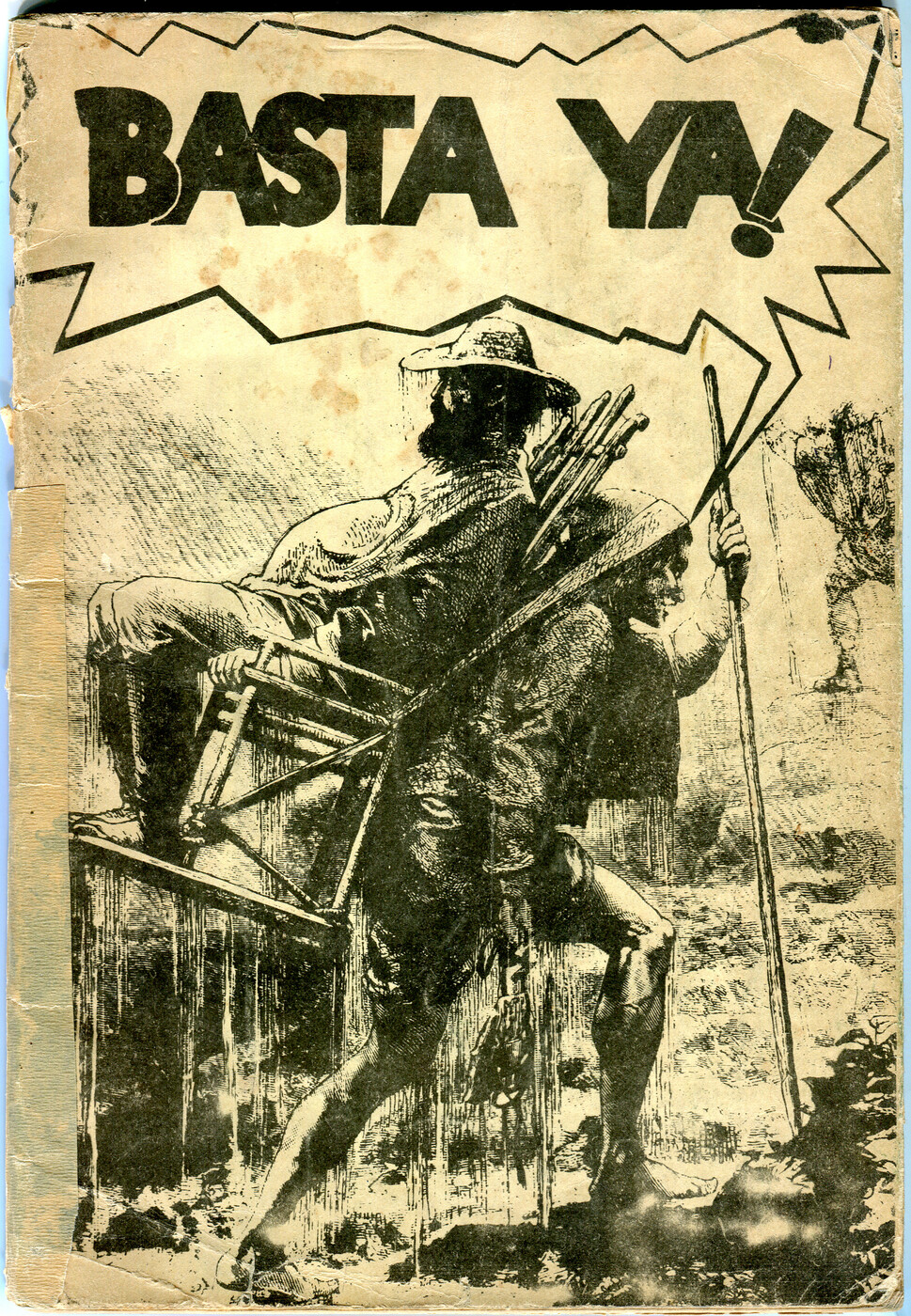
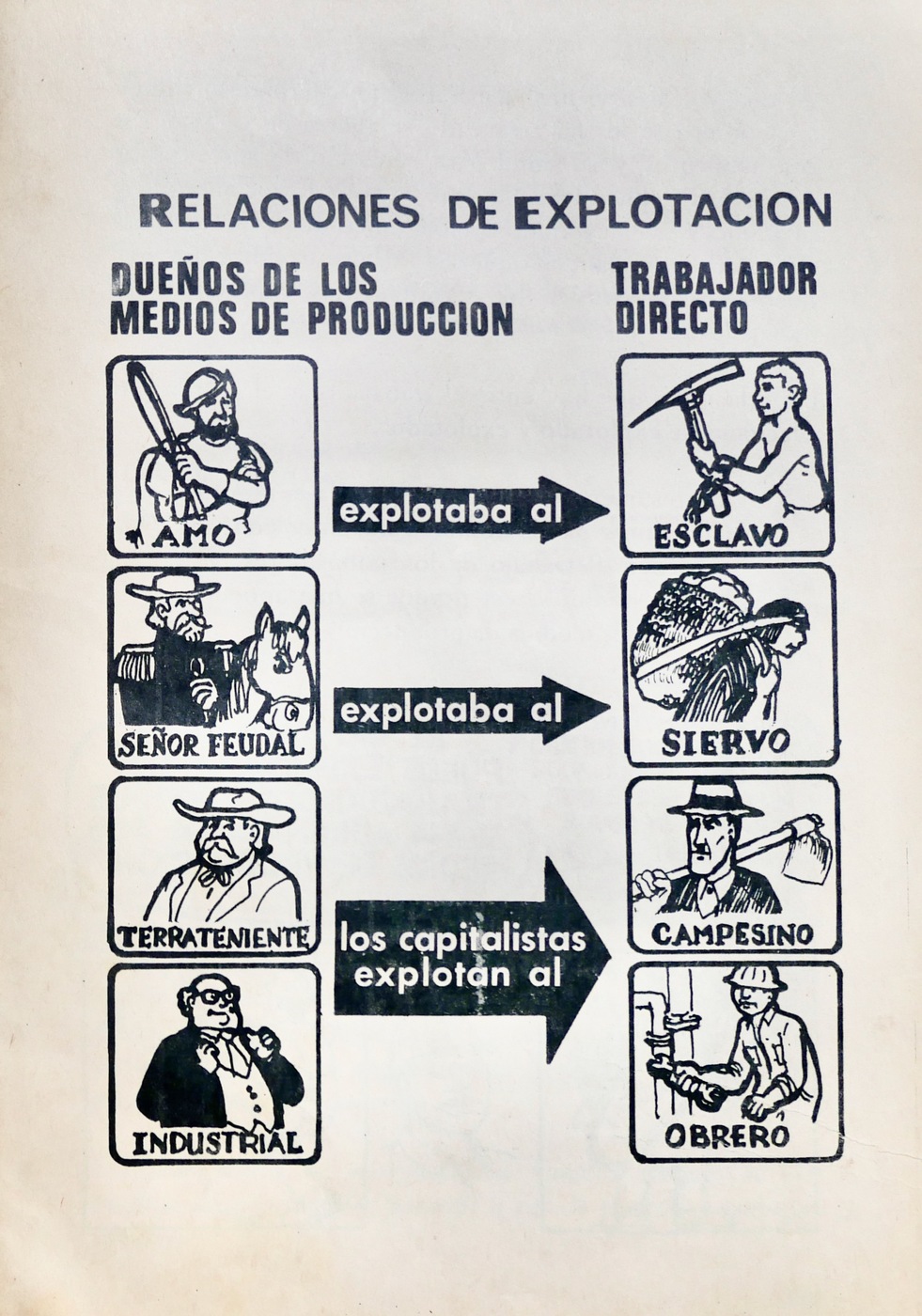
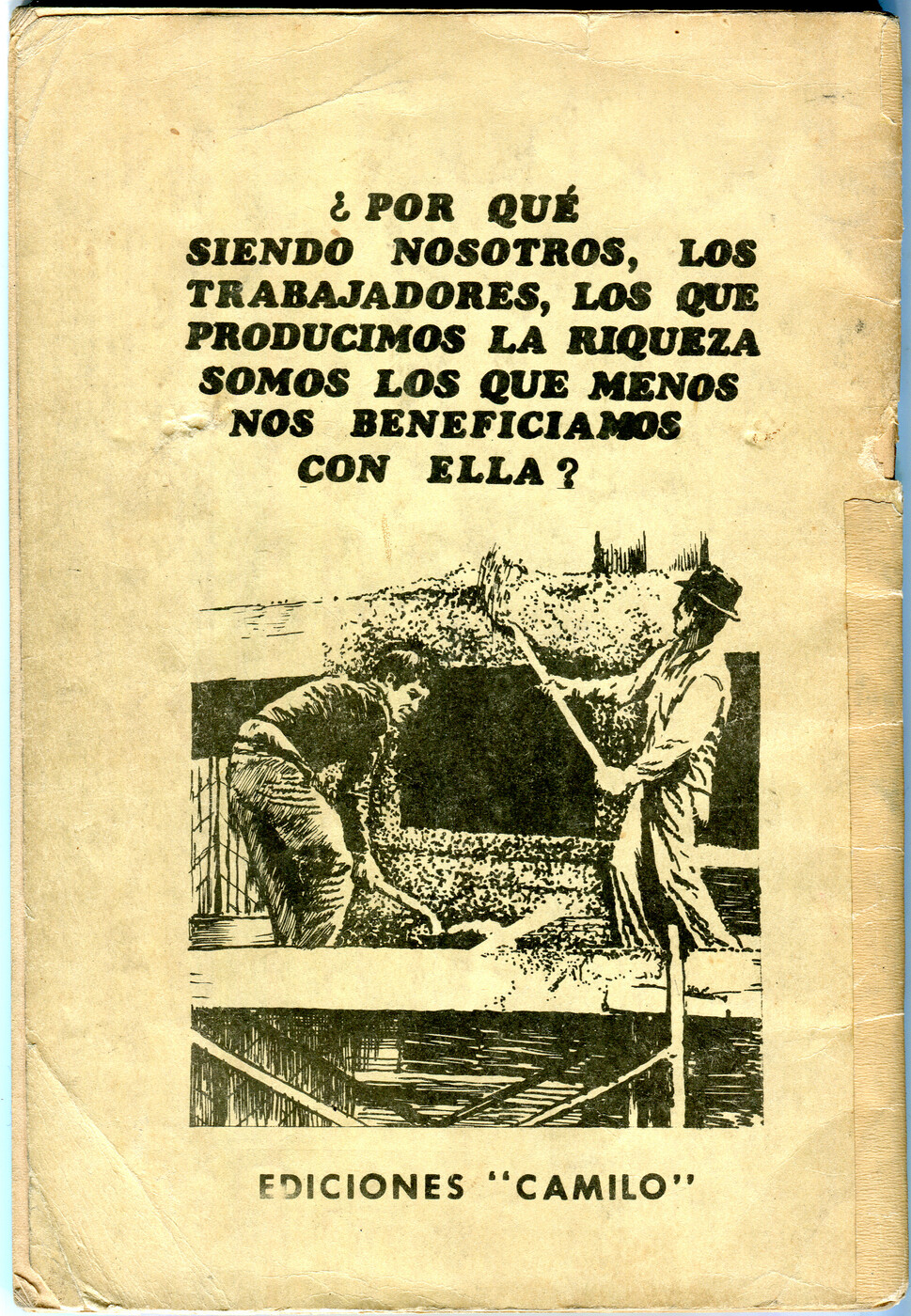
The cover to this pamphlet from the 1960s depicts a dramatic example of the exploitative relations that are described in 75 pages of text and comic-strips. Authored by a Colombian workers’ collective, the booklet aimed to teach workers about their exploitation by bosses who own the means of production. The bosses are shown, historically, as colonial slave owners and feudal lords, and, today, as landowners and industrialists (including North American partners). The workers are shown as enslaved Africans, Indigenous serfs, peasant farmers and industrial labourers.
The cover shows an 1879 French engraving, “The Ascent of Agony” by Émile Maillard based on a sketch by French traveller Édouard André. To cross Colombia’s mountain passes, travellers like André hired silleros (porters), who were Indigenous or mestizo (mixed-race) men, renowned for their strength and sure-footedness. The exploitative relationship is highlighted by the imposition of a comic-strip speech bubble in which the sillero exclaims “¡Basta ya!” (enough already!): the juxtaposition of visual regimes from the 1870s and the 1960s dramatises racial injustice. But the white passenger was also totally dependent on his/her dark-skinned porter. One slip could mean death. Personal service creates an intimacy different from the more impersonal relations between, say, landowner and peasant farmer.
Peter Wade
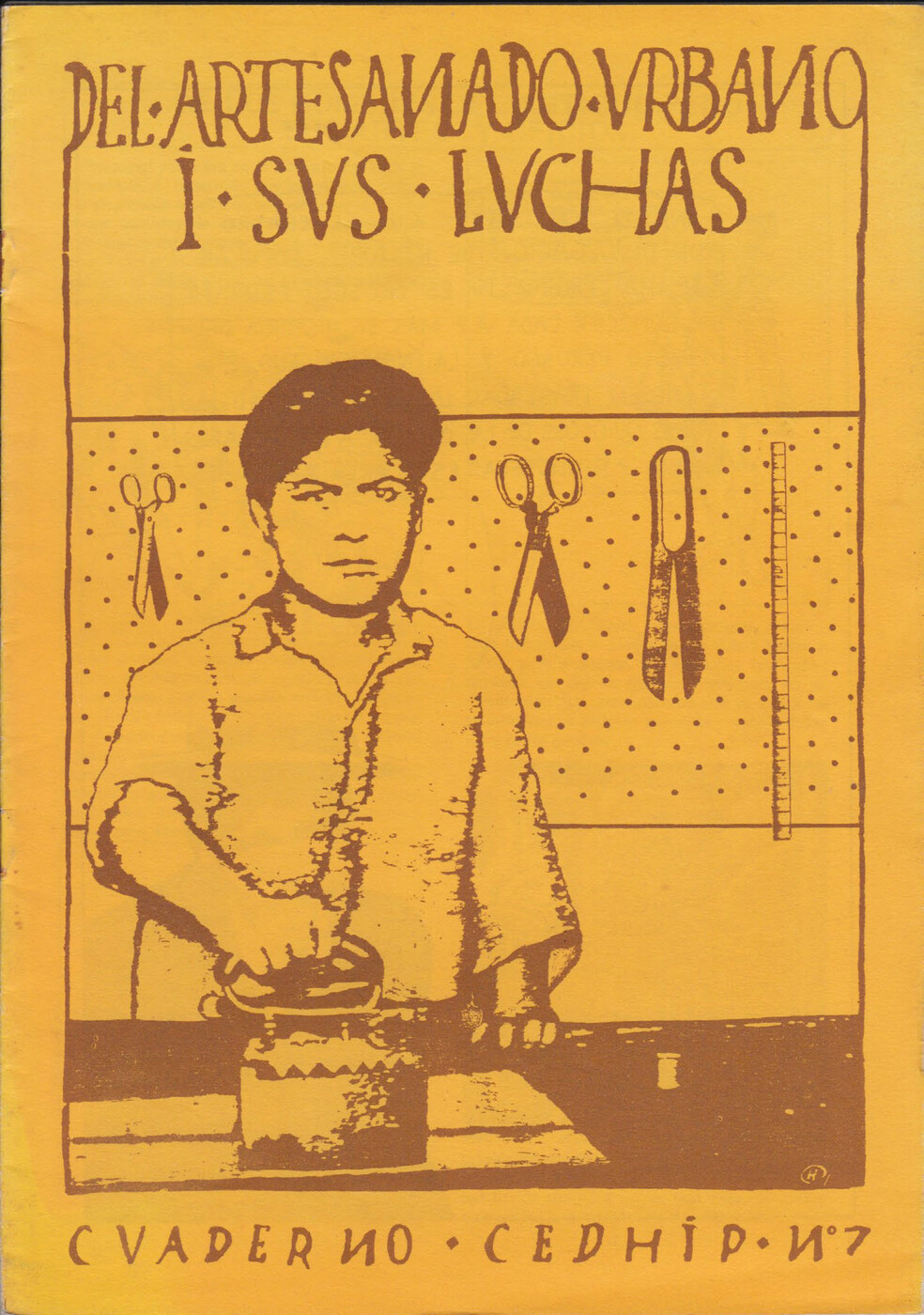
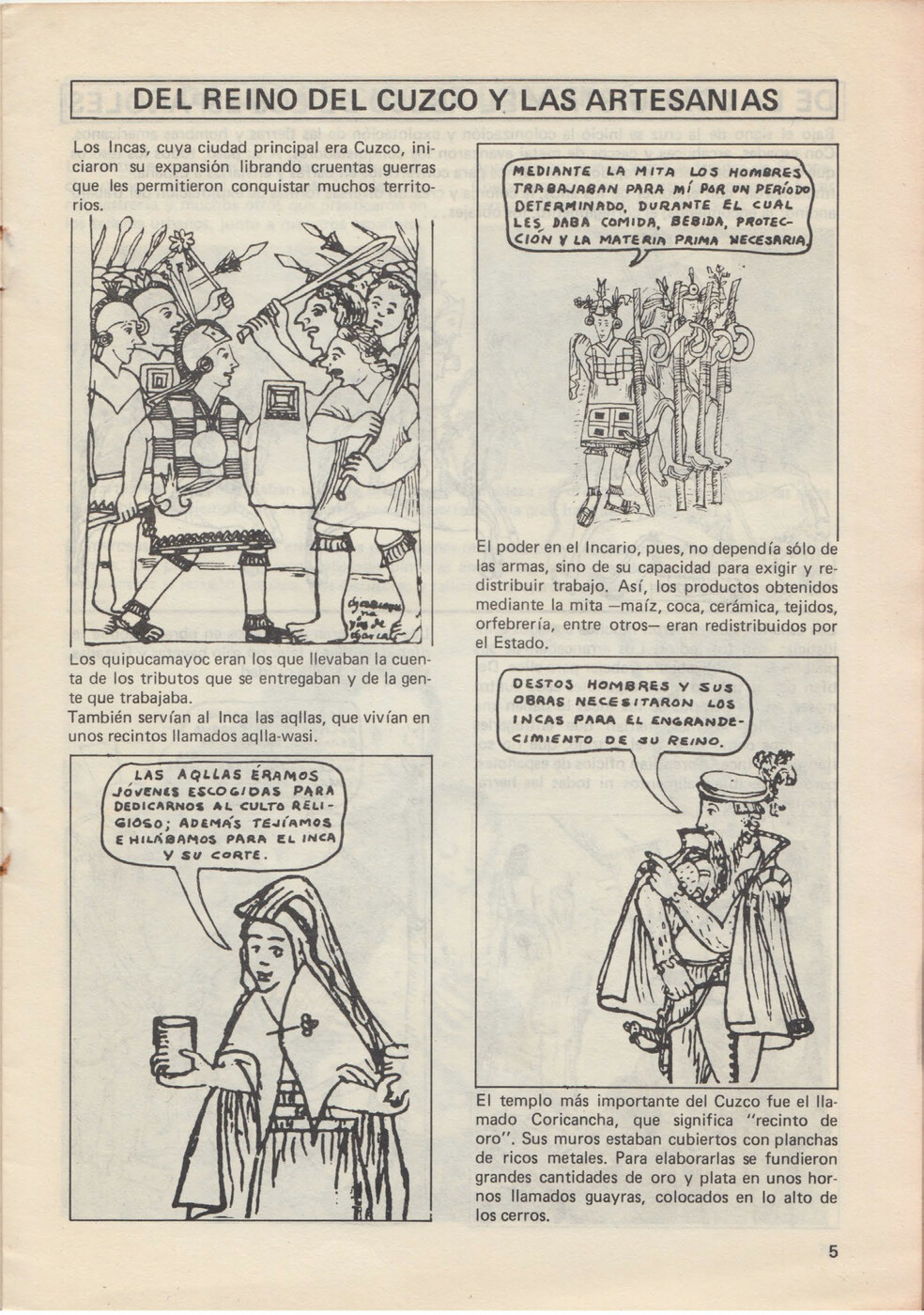
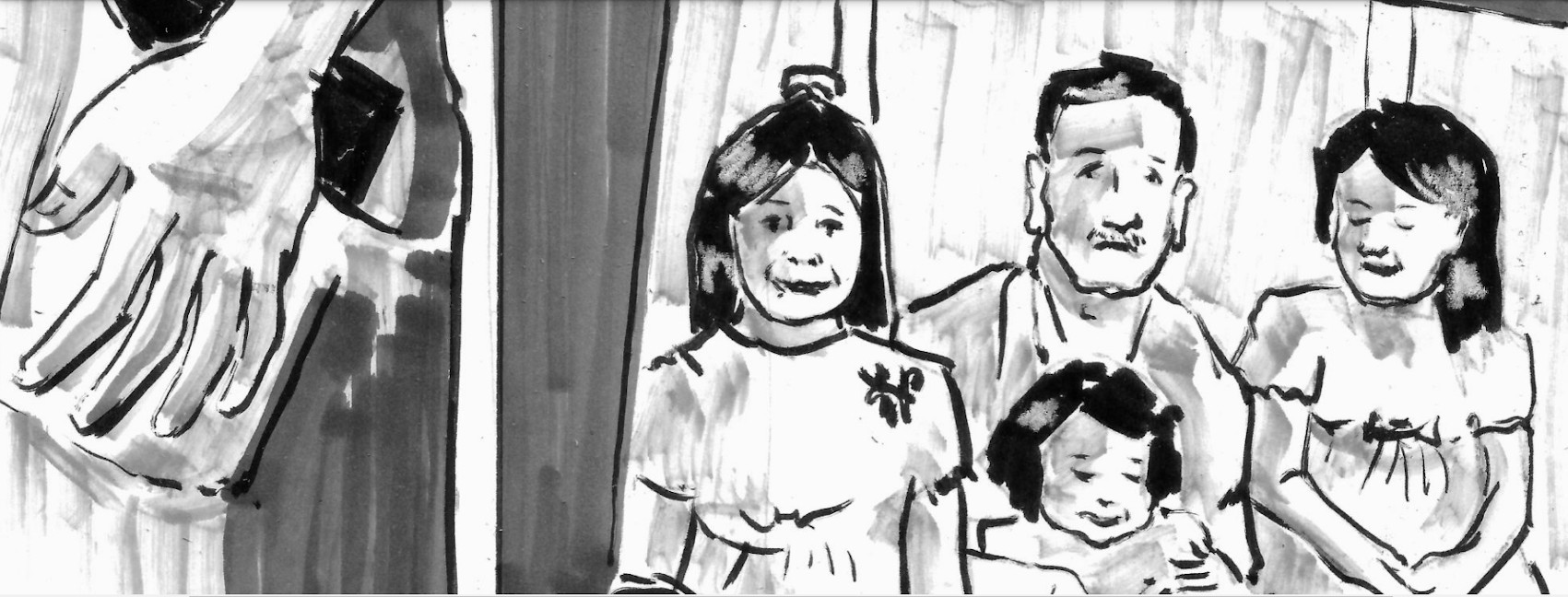
Del Artesanado Urbano i sus Luchas is a comic by CEDHIP, published in 1983 of unknown authorship, intertwining elements of the Primera Nueva Corónica y Buen Gobierno by Guamán Poma de Ayala with photographs and illustrations. From the Inca era to the 19th century, it highlights the role of Indigenous and black populations in artisanal crafts. The first part, "Del Reino del Cuzco y las Artesanías" illustrates the Inca conquest with precise references to the Corónica from Inca struggles to the arrival of the Spanish. The use of speech bubbles and “costumbrista” prints brings the characters to life and lends authenticity to the Inca past, presenting it positively. This approach contrasts with the representation of the colony and republic, which will be addressed in later pages, where the presence of Indigenous and black people fades into history and dissolves into the concept that encompasses them, the notion of the working class or the people in their social struggles.
Malena Bedoya
Registro nro. 101842
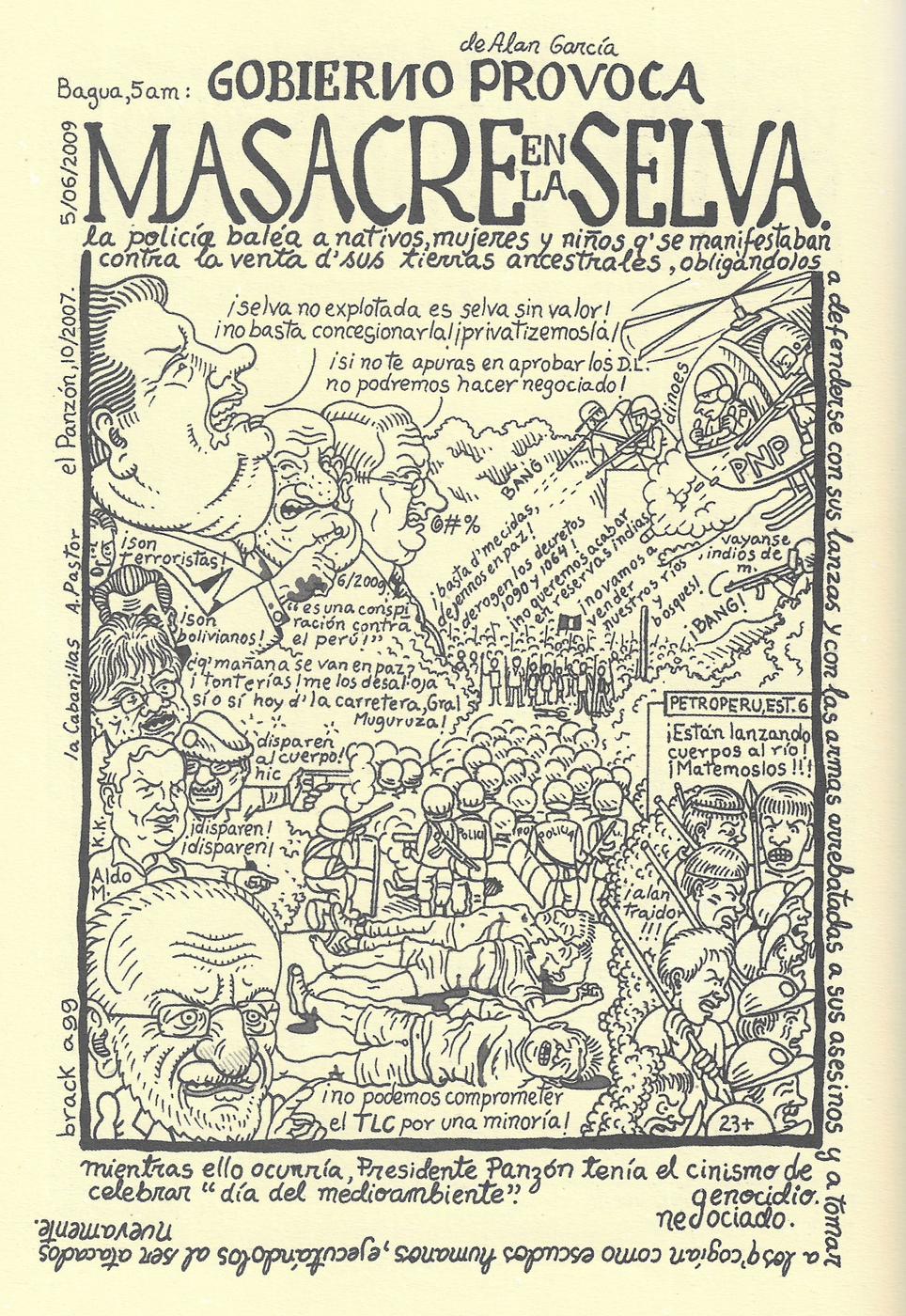
Miguel Det’s Novísima corónica… I mal-gobierno is inspired by Guamán Poma’s book Primera Nueva Corónica y Buen Gobierno, a seventeenth-century critique of Spanish colonial rule. Starting with creation stories and moving through Peruvian landscapes and customs to the social and political conflicts of the twentieth and twenty-first centuries, Det’s book sits within a Latin American epic tradition. Though this book might appear to sit at the periphery of what constitutes a comic, its aesthetic, composition, and use of image-text justify its inclusion here. Det creates a visually complex series that works diachronically and synchronically to highlight injustices in Peruvian society. The mistreatment of Indigenous peoples, and Peru’s structural racism recur throughout. This image depicts the massacre by state forces of those protesting extractivist incursions into ancestral lands in the Amazon. By drawing on both Poma’s aesthetic and on the critique embedded in his work, Det emphasises the trans-temporal nature of violence against Indigenous people.
James Scorer
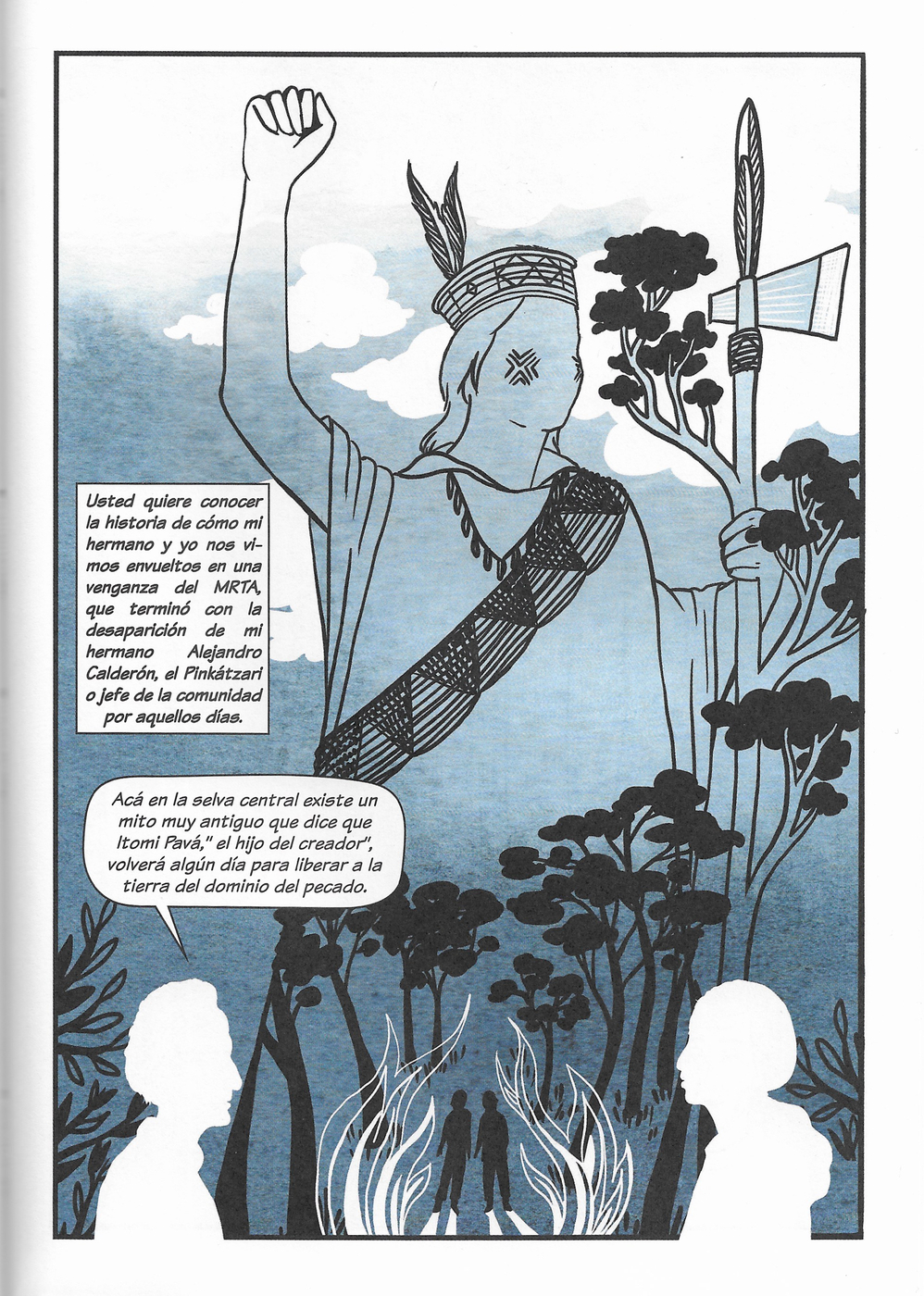
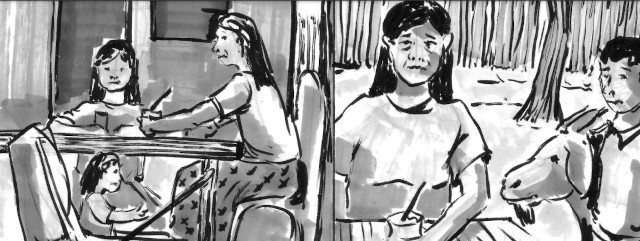
This comic delves into interconnected temporalities, exploring memory activation and its link to the present, showcasing the Asháninka nation's journey during Peru's internal armed conflict from the 1980s to the 2000s. Although it amplifies the Ashánika perspective, portraying them as dignified individuals shaping their history, the comic, published by the Peruvian Ministry of Culture, isn't a self-representation produced by Asháninka creators –which would have constituted a powerful antiracist move. Instead, non-Asháninka creators crafted it. Through Abram Calderón's narrative, an Asháninka community leader, the story unfolds, depicting his family, community, and his brother Alejandro, leader of the Asháninka people and president of ANAP. Following Alejandro Calderón's murder by the Túpac Amaru Revolutionary Movement (MRTA) in 1989, the Asháninka nation formed a self-defence army against the MRTA to drive them out. The narrative highlights the intertwining of personal, kinship, and cultural memory, reflecting on the complex social struggles faced by the Asháninka nation amid Peru's political and state violence during the armed conflict and historical violence. The comic narrates the history of a resilient culture, grounded in its historical memory and sociocultural ancestry, yet adaptable and robust, despite enduring centuries of violence from various actors, including Spanish colonisers, the church, settlers, paramilitaries, and the Peruvian nation-state.
Abeyamí Ortega
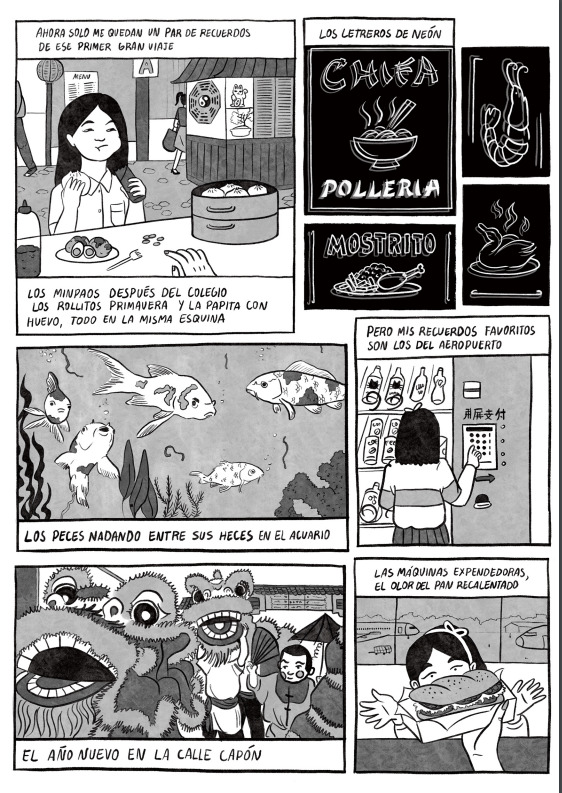
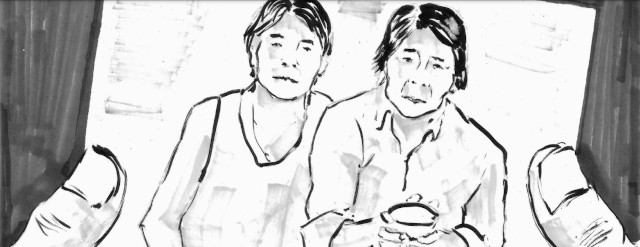
This zine is a commission of the CORALA project. The first part of this zine deals with the Chinese migration, also known as "culí" migration to Peru, which began in the mid-19th century and lasted for decades. Large numbers of people arrived in Lima on ships, and in many cases, upon arrival, they were "assigned" to landowners, while others were "auctioned off" to those interested in exploiting their labour. Between 1840 and 1870 alone, over 100,000 Chinese arrived, many of whom worked in guano extraction or railroad construction. In the second part of the zine, the drawing takes a different direction, turning towards the contradictions perceived in the present and the experience of inhabiting a body in an urban space. "Pasta para wantán" is the story of the impossibility of situating oneself in a specific place. For Zavala, the current situation of the younger generations of Chinese migrant children or those of Nikkei origin in Lima is unique. Like her first narrative, this is a shared memory within her closest affective communities. It is the story of moving between two worlds where you belong to neither and where it seems you don't belong anywhere.
Malena Bedoya
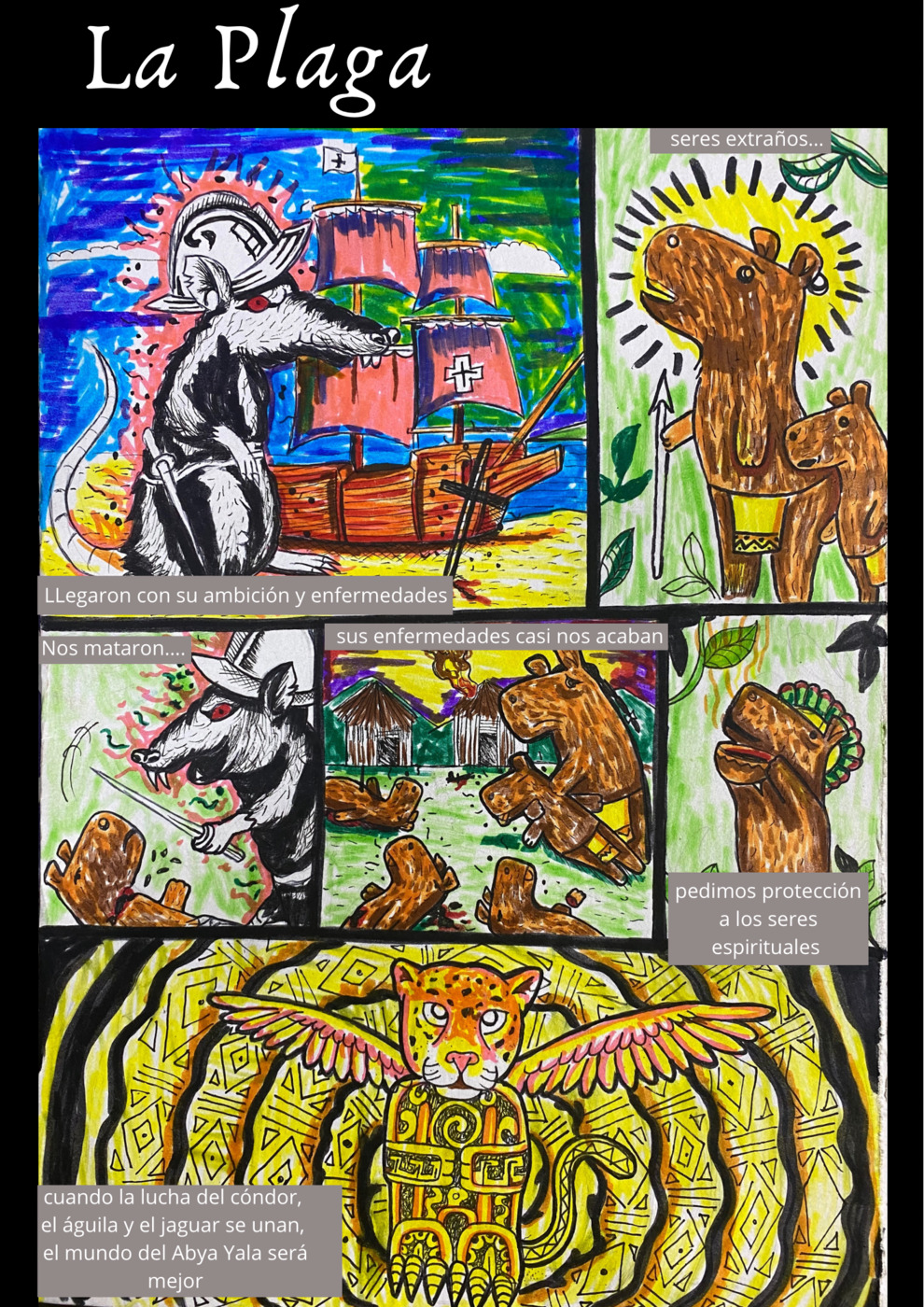
The European invasion of the Americas caused the demographic collapse of Indigenous populations. Historians have not agreed on the pre-Conquest number of Indigenous Americans (estimates vary from 50 to 100 million, with about 90% living in what is now Latin America), but by 1650, less than 6 million remained alive. In Linda Newson’s words, this disaster has “no known parallel in world history”. Disease was a principal culprit as Indigenous people had little immunity to European illnesses such as smallpox, typhus and measles. However, numerous deaths resulted from direct violence, and even more were due to exploitative oppression, which weakened the fabric of Indigenous society and people’s capacity to resist disease.
In this comic commissioned for this exhibition, Nasa artist Michael Guetio uses the brown rat - an invasive European species - to represent the rapacity of the Spanish, contrasted to the reputedly peace-loving native capybara rodent. Although the Indigenous people’s physical bodies were vulnerable, they called spirit entities to their aid: resistance took many forms. In the final panel, Guetio merges an Andean condor, a North American eagle and an Amazonian jaguar against a background of a serpent representing a force unifying the peoples of Abya Yala (an Indigenous term for the Americas).
Peter Wade