Sikh Heritage Collections
Item set
Items
-
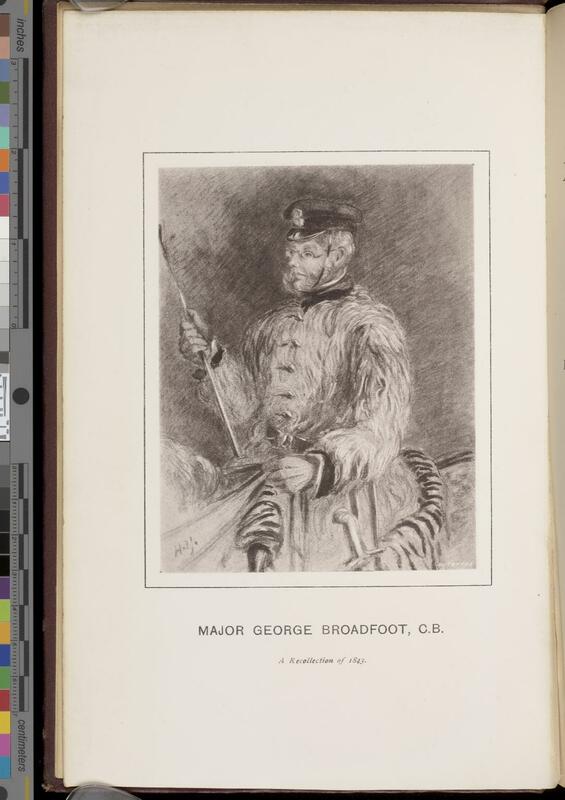
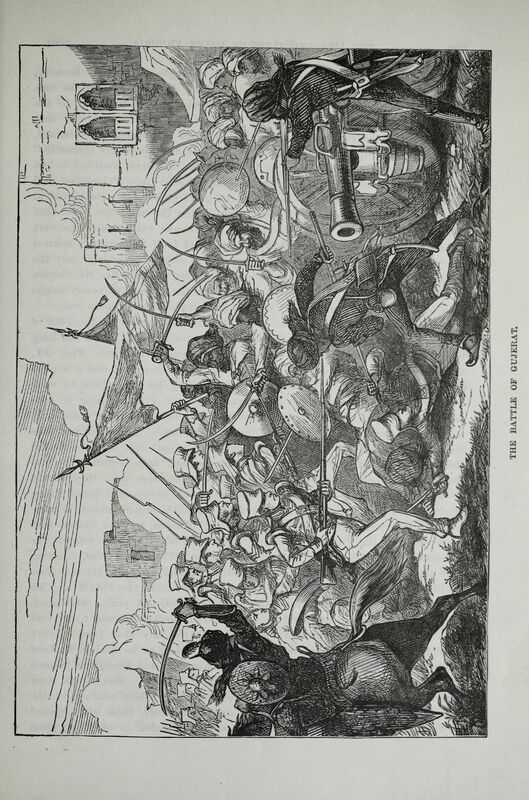 The Battle of Gujerat It is believed that the Guru was present at the Battle of Gujerat in Punjab 1849. This was the last battle of the Second Anglo-Sikh war and the defeat of the Khalsa Army represented the conclusive end to the Sikh empire and independent Sikh rule in the Punjab.
 -
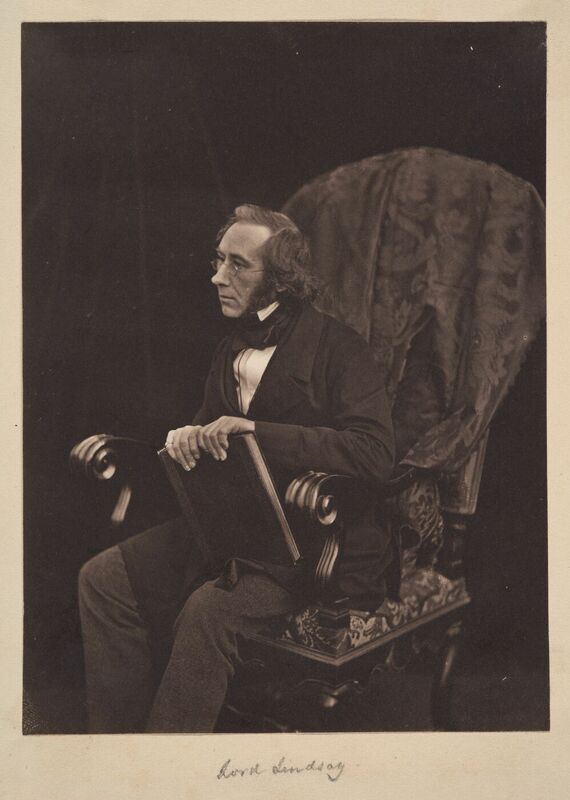
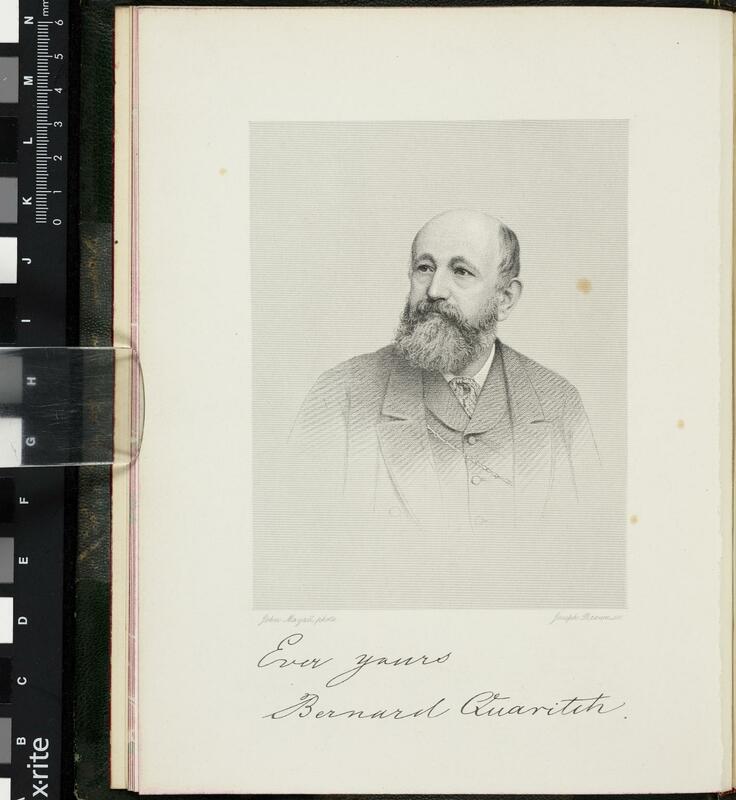
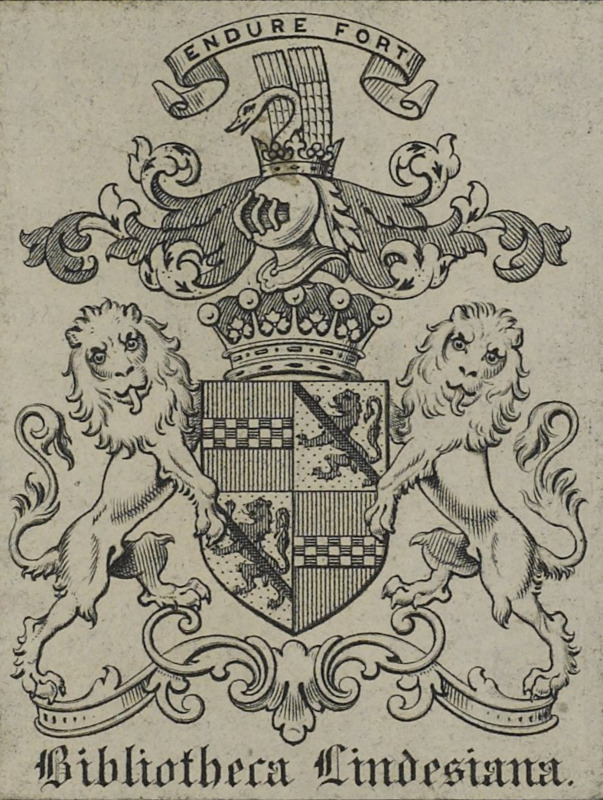 The Earl of Crawford The Earl of Crawford Alexander Lindsay purchased the Granth from Quaritch in 1862. It became part of one of the largest private collections in Britain, the Bibliotheca Lindesiana.
 -
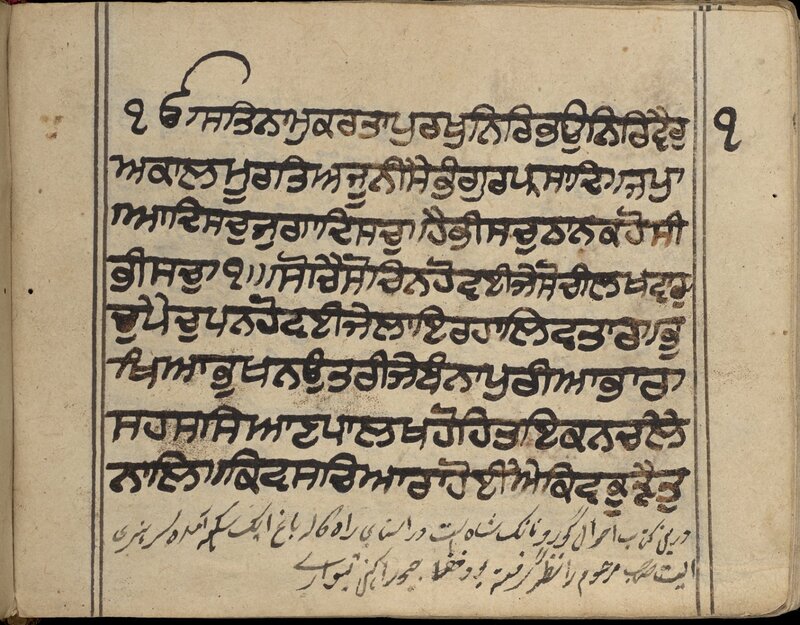
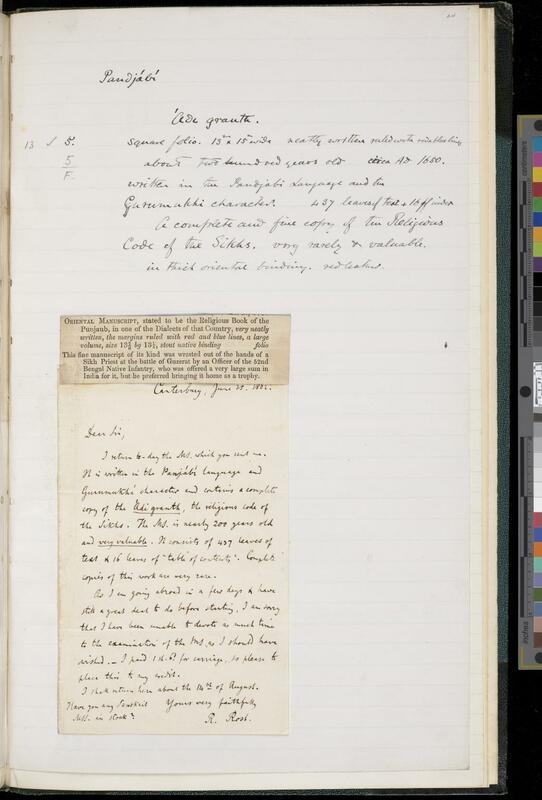 Handlist of Hindustani, Marthi & Panjabi MSS Manuscript entry about Sri Guru Granth Sahib and below is a printed catalogue slip, presumed to be from Bernard Quaritch, pasted into the unpublished “Handlist of Hindustani, Marathi & Panjabi MSS” in the Bibliotheca Lindesiana, now at the John Rylands Library. Also on the same page is a letter dated June 25 1862. Dating from the late seventeenth century, the manuscript (now Rylands Punjabi MS5) is one of the earliest surviving Granths and an object of deep reverence by Sikhs.
 -
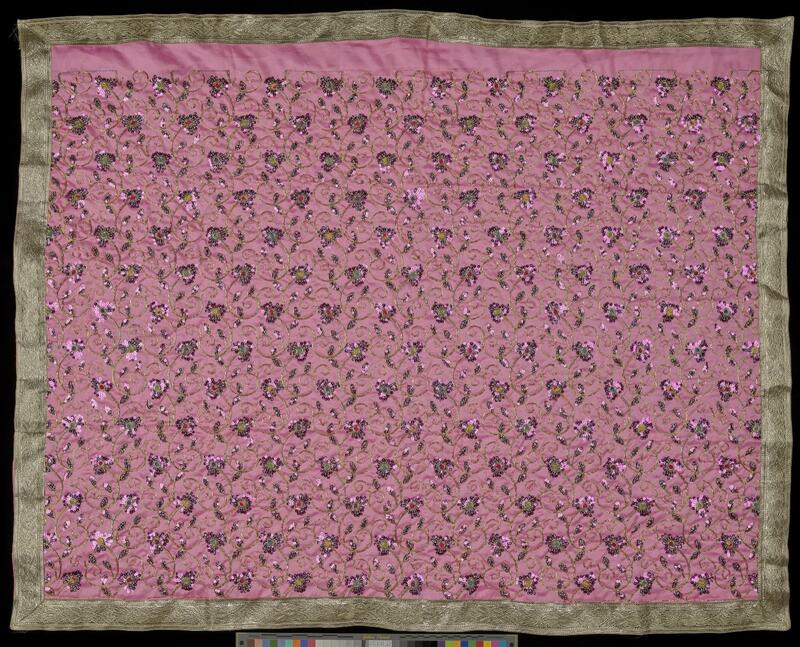 Rumalla Rumalla used to cover the Sri Guru Granth Sahib in the John Rylands Research Institute and Library. Rumalla is a Punjabi term for a square or rectangular piece of silk used to cover the Guru Granth Sahib in the Gurdwara (Sikh temple) when it is not being read. The Sikh Holy Scriptures are treated by the Sikhs like their living Gurus and as such no expense is spared in the furnishing for their current Guru, the Sri Guru Granth Sahib.