
Books
Bible Historiée (French MS 5)
Early Collecting
Enriqueta collected books for both The John Rylands Library and Longford Hall.
She started buying books for the new library in November 1889 – before the builders even started. Just over a year later, she decided to form a special collection of important English Bibles.
Purchases soon expanded to include a wide variety of valuable printed books and handwritten manuscripts. Some are very beautiful, others rare or remarkable. Rylands appreciated new books as well as old ones. She was very interested in Christian reform but also collected poetry, bird books and history.
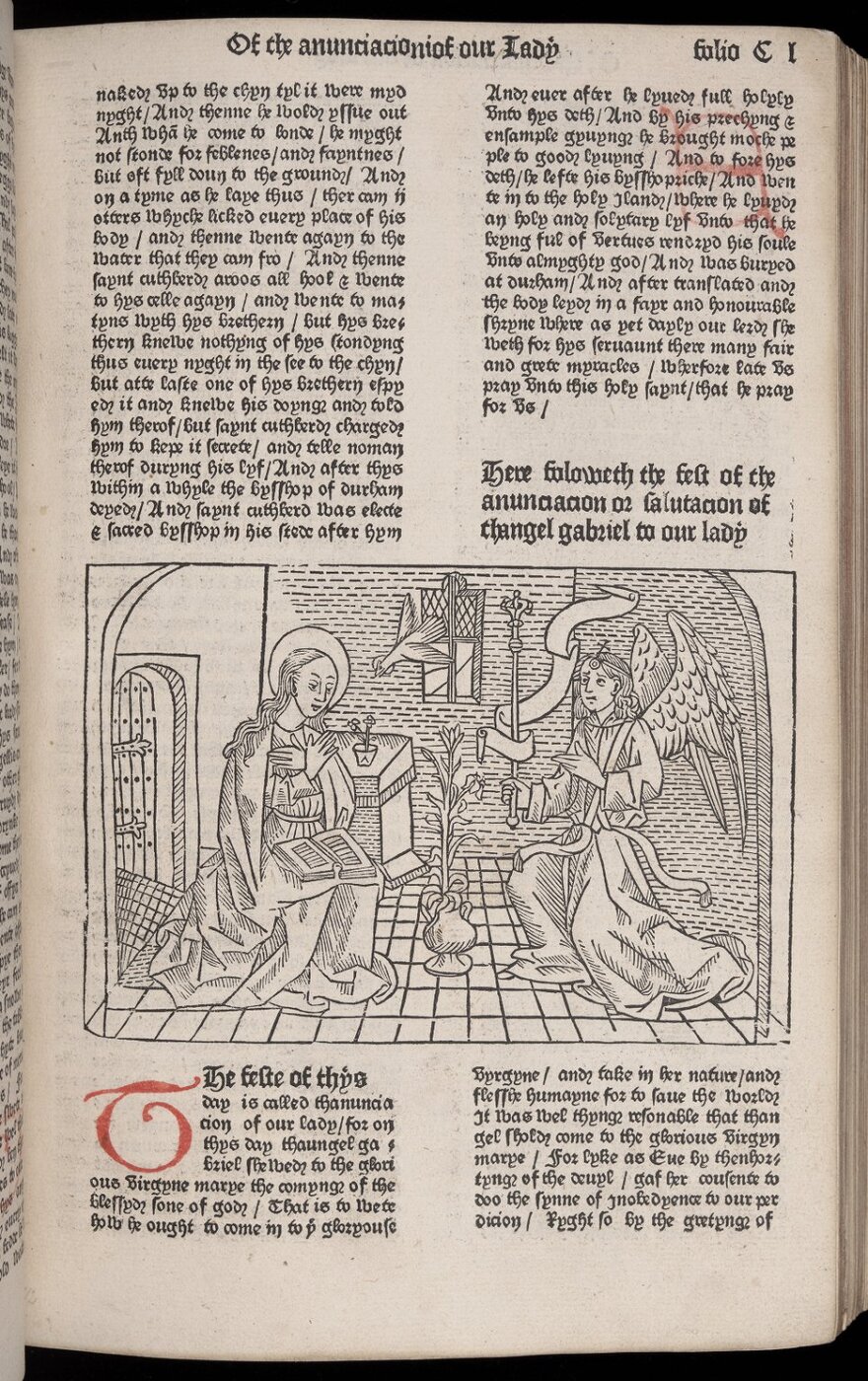
The Legenda Aurea was a religious book popular in medieval Europe. In Caxton’s translation, stories from the Bible were printed in English for the first time. Enriqueta was ‘very anxious’ to get a copy. When this one came up at auction in 1891, her agent annoyed the famous bookseller Bernard Quaritch by outbidding him.
Here we see a depiction of the Annunciation.
The Spencer library
In 1892 Enriqueta purchased the Spencer library for £210,000 (over £2 million today). It was considered the finest private library in England. George John, 2nd Earl Spencer (1758-1834), assembled most of the collection. He was one of a small group of aristocratic book collectors who spent vast sums of money competing to buy early and rare printed books.
Exceptional objects in the Spencer collection tell the story of the earliest printing in Europe from the 15th century.
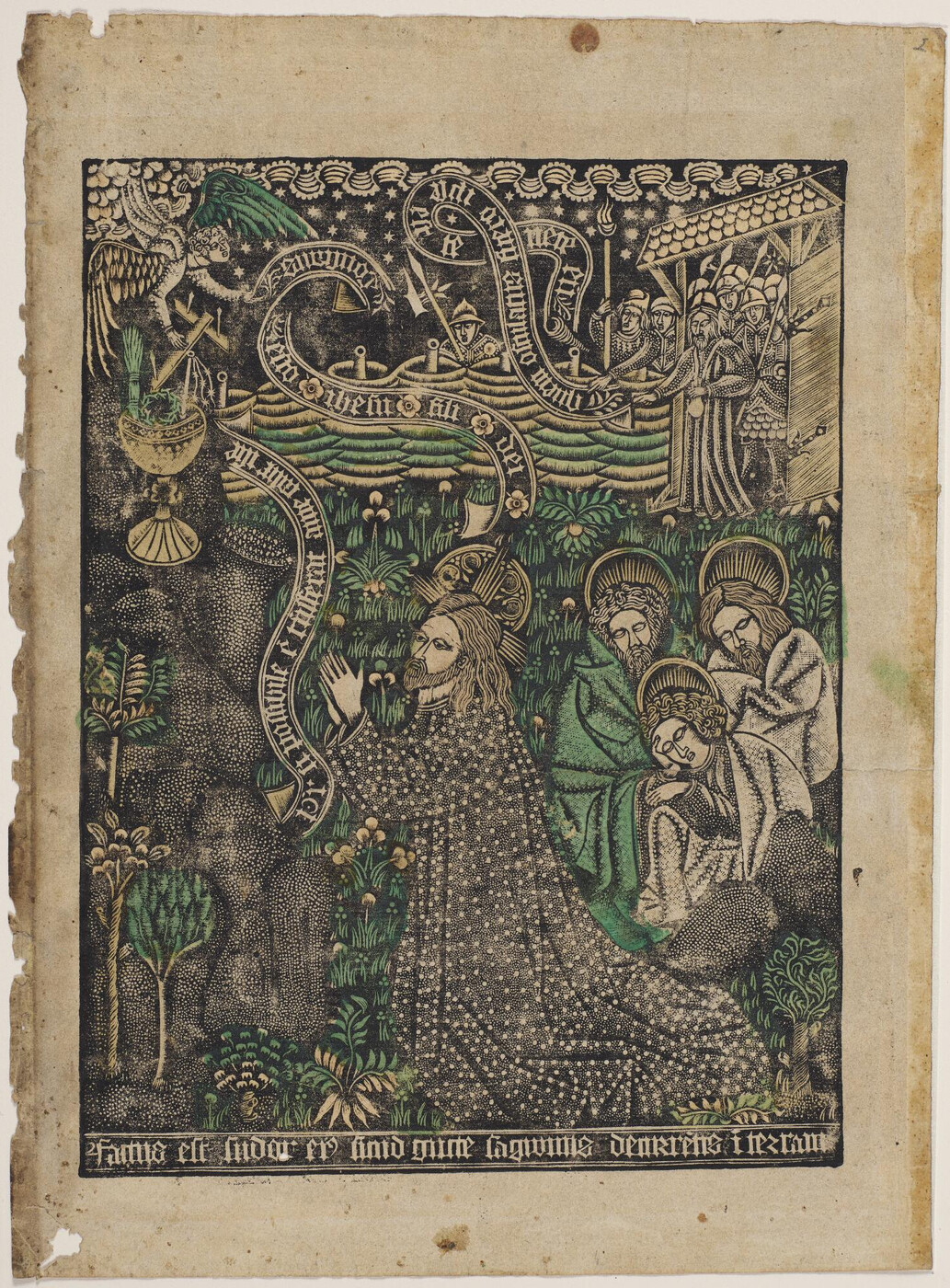
Printed images were popular in the 15th century but relatively few survive. These were usually produced from carved wooden blocks. Early metalcut prints like this one were made by hammering back the plate to leave the surface to be inked. This print was previously pasted in a copy of the Gutenberg Bible now at the Huntington Library, California.
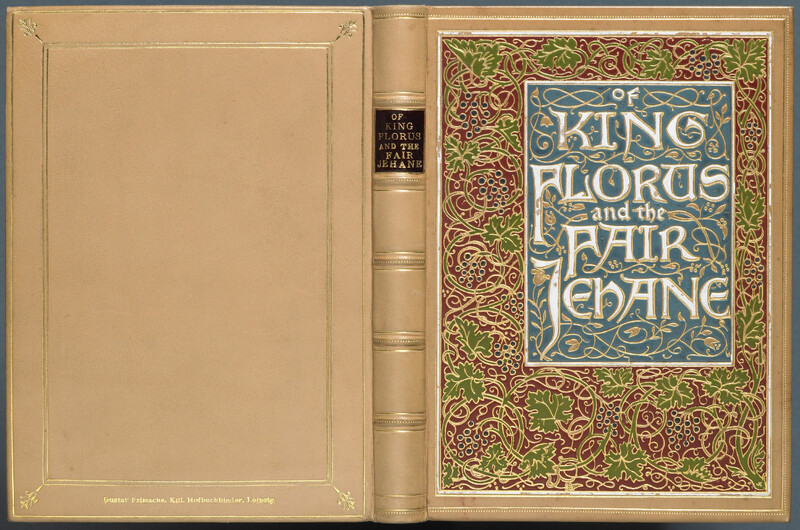
This is one of 73 copies bound by bookbinders from around the world for the Tregaskis Bookbinding Exhibition of 1894. The cover of this volume imitates the title-page of the book, a typical William Morris design of grapes and vine leaves. Enriqueta bought the entire collection and gave it to The John Rylands Library.
The Crawford manuscripts
In 1901, Enriqueta purchased an astounding collection from the 26th Earl of Crawford. His father had wanted to create a library that documented the world’s beliefs, arts and histories. The collection contained thousands of manuscripts in over 50 languages as well as East Asian books and maps printed from woodblocks.
The Crawfords usually bought through European book dealers and agents. Many manuscripts had been brought to Europe by colonial administrators, soldiers and missionaries. Some were acquired by force. Indigenous people also sold manuscripts to collectors.
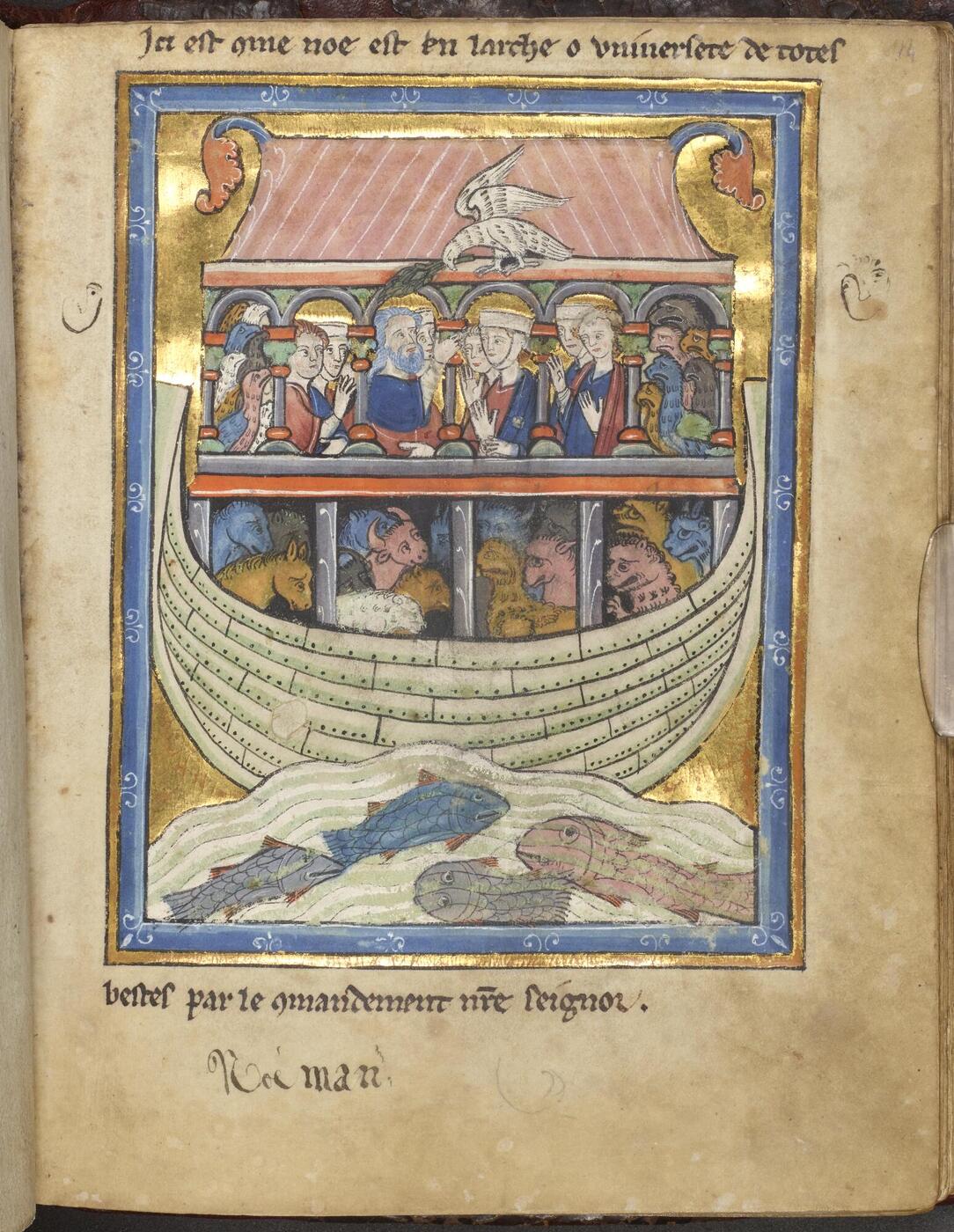
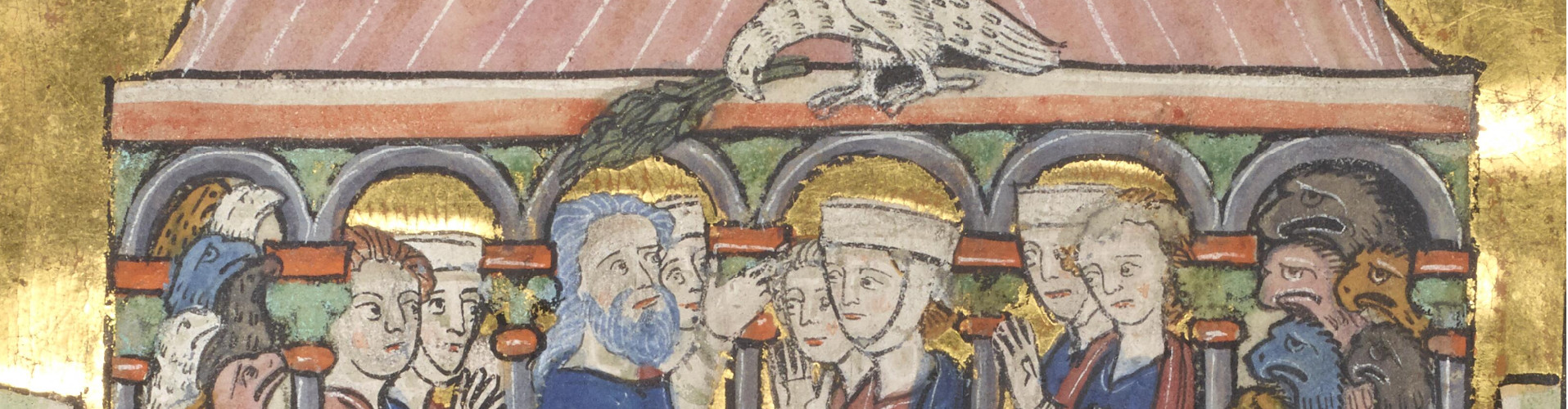
With a background of polished gold, this lavish book was made for a rich patron. The writing is in Old French, but you don’t need to know the language to read the book. Its 48 painted pages tell stories from the Old Testament. Here, a dove returns to the ark with an olive branch.
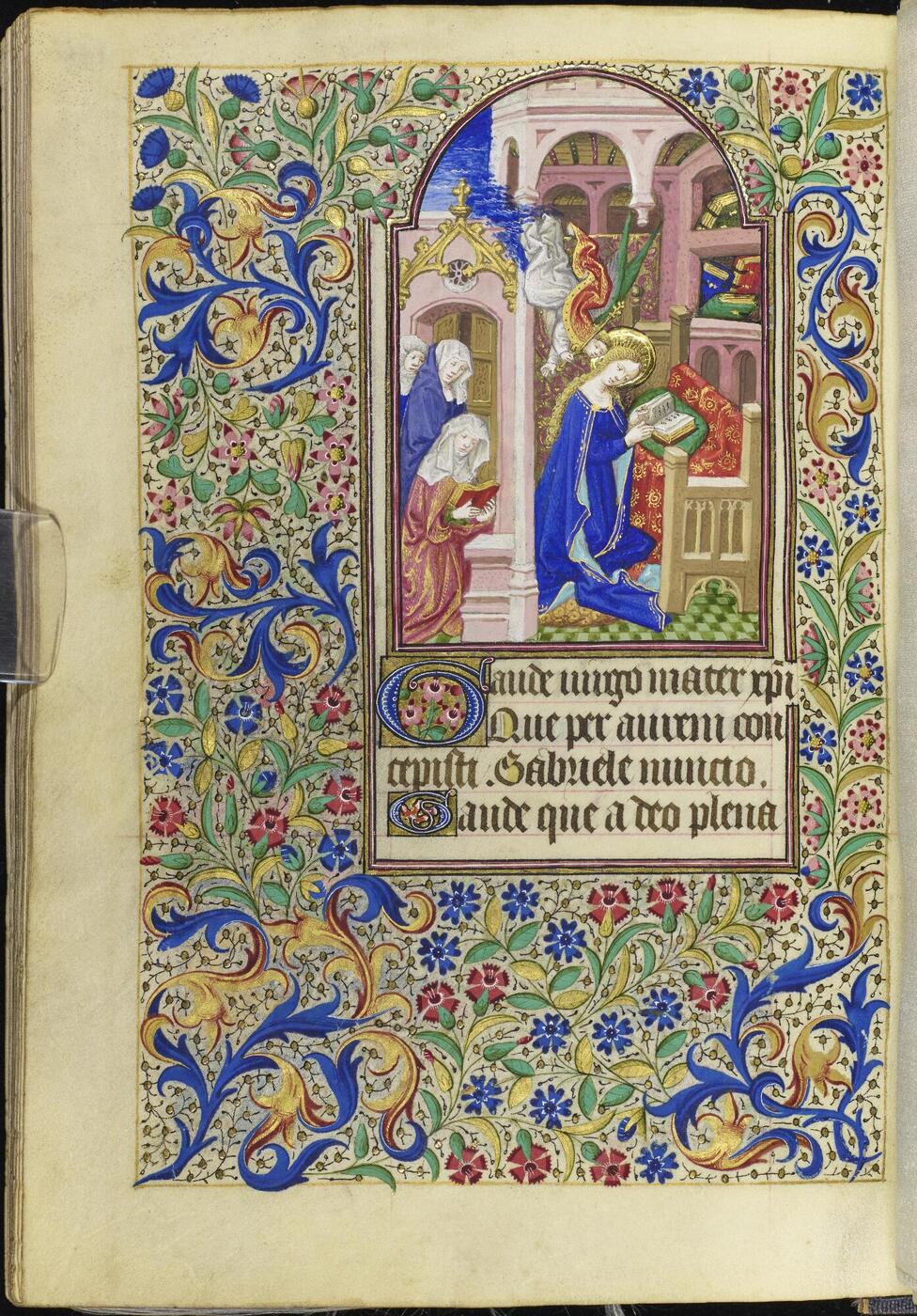
Enriqueta did not just buy books for The John Rylands Library. Her purchases for her private library ranged from medieval illuminated manuscripts to modern private press books. These only came to The John Rylands Library after her death.
Among those she retained was this exquisitely decorated Latin manuscript, a fifteenth century Book of Hours, produced in Paris. It was popularly believed to have been commissioned and owned by a member of the French Royal Family.