
Founders and Funders Slavery and the building of a University
The emergence of Manchester as the world’s first industrial city relied heavily upon the forced labour and trafficking of enslaved Africans.
The founders and funders of the Manchester Mechanics’ Institution and Owens College were some of the elite of ‘Cottonopolis’. These men invested the profits of slave trading, the cotton industry, and ownership of enslaved people into the cultural and educational life of the city. These two institutions would go on to become The University of Manchester.
This is a digital version of an exhibition hosted at The John Rylands Library from September 2023 until March 2024. It presents the work of a team of students studying at the University who have discovered how many of these legacies continue to shape our institution today. Using objects from our collections, they have conducted original research to trace transatlantic links to people, places and experiences.
We invite visitors to examine these rediscovered histories and help us answer the emerging question about our futures:
What next?
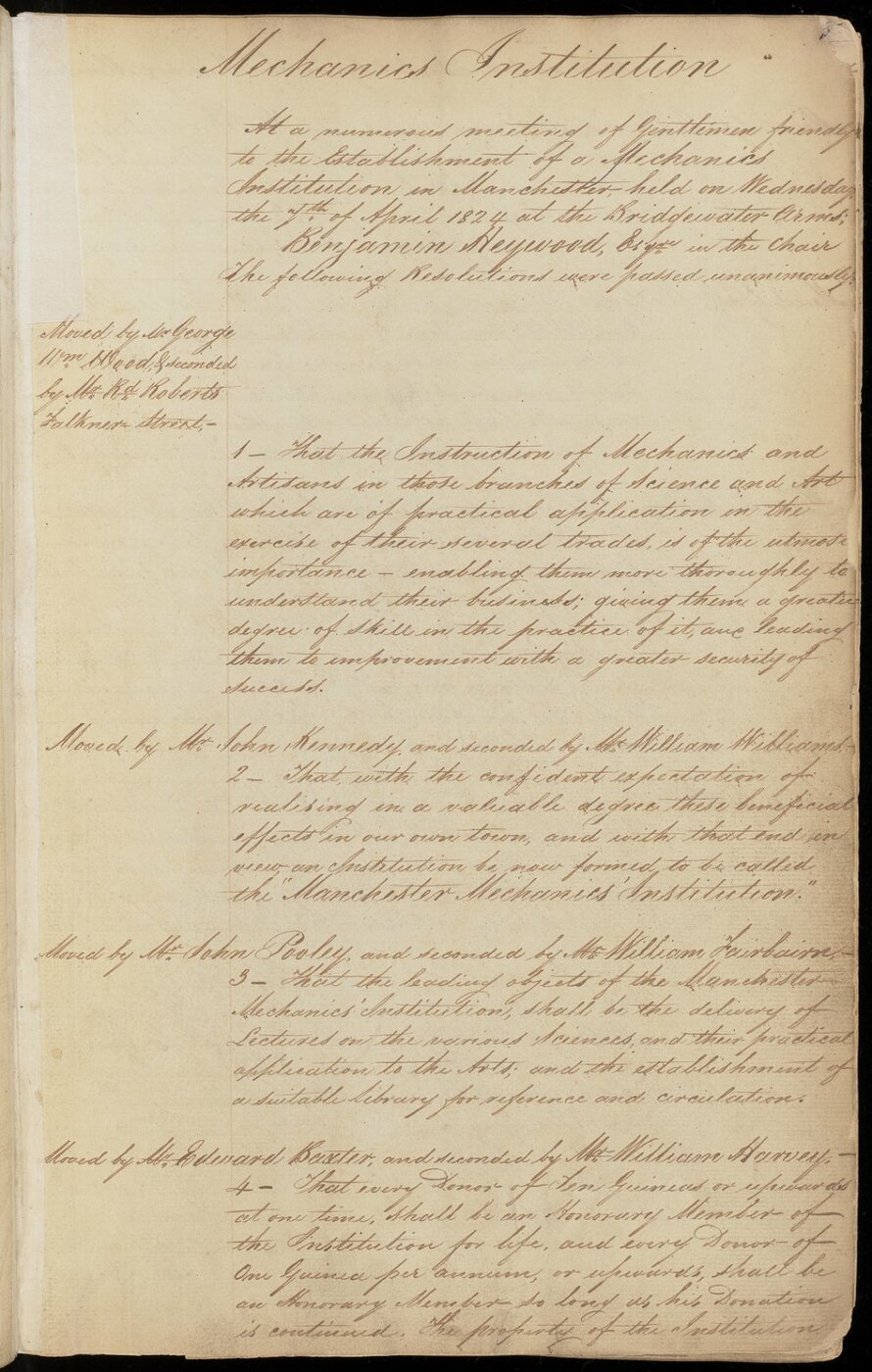
The Manchester Mechanics’ Institution was founded in 1824 by a group of businessmen and manufacturers, including Sir Benjamin Heywood (1793-1865), James McConnel (1762-1831) and John Kennedy (1769-1855). The Institution provided local working men with access to specialist engineering training and general educational opportunities.
This book includes the minutes of the founding meeting of the Institution and its original list of rules.
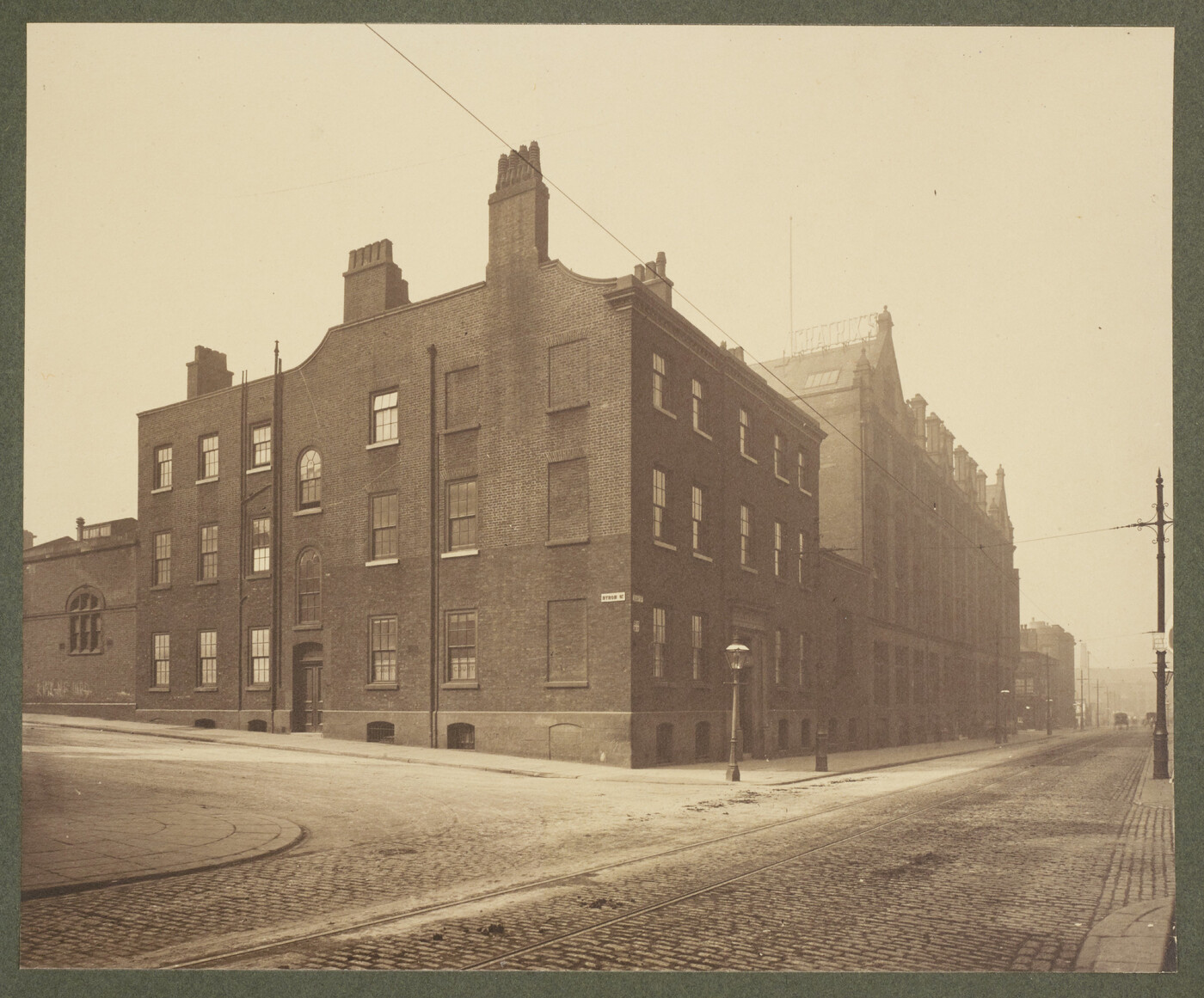
Between 1851 and 1873, Owens College was based in this building on Quay Street, the former home of political reformer and cotton manufacturer Richard Cobden (1804-1865). It was purchased for the college by John Owens’ (1790-1846) business partner George Faulkner (1790-1862), another mill owner. Today, the building bears a plaque commemorating its link to the Institution.
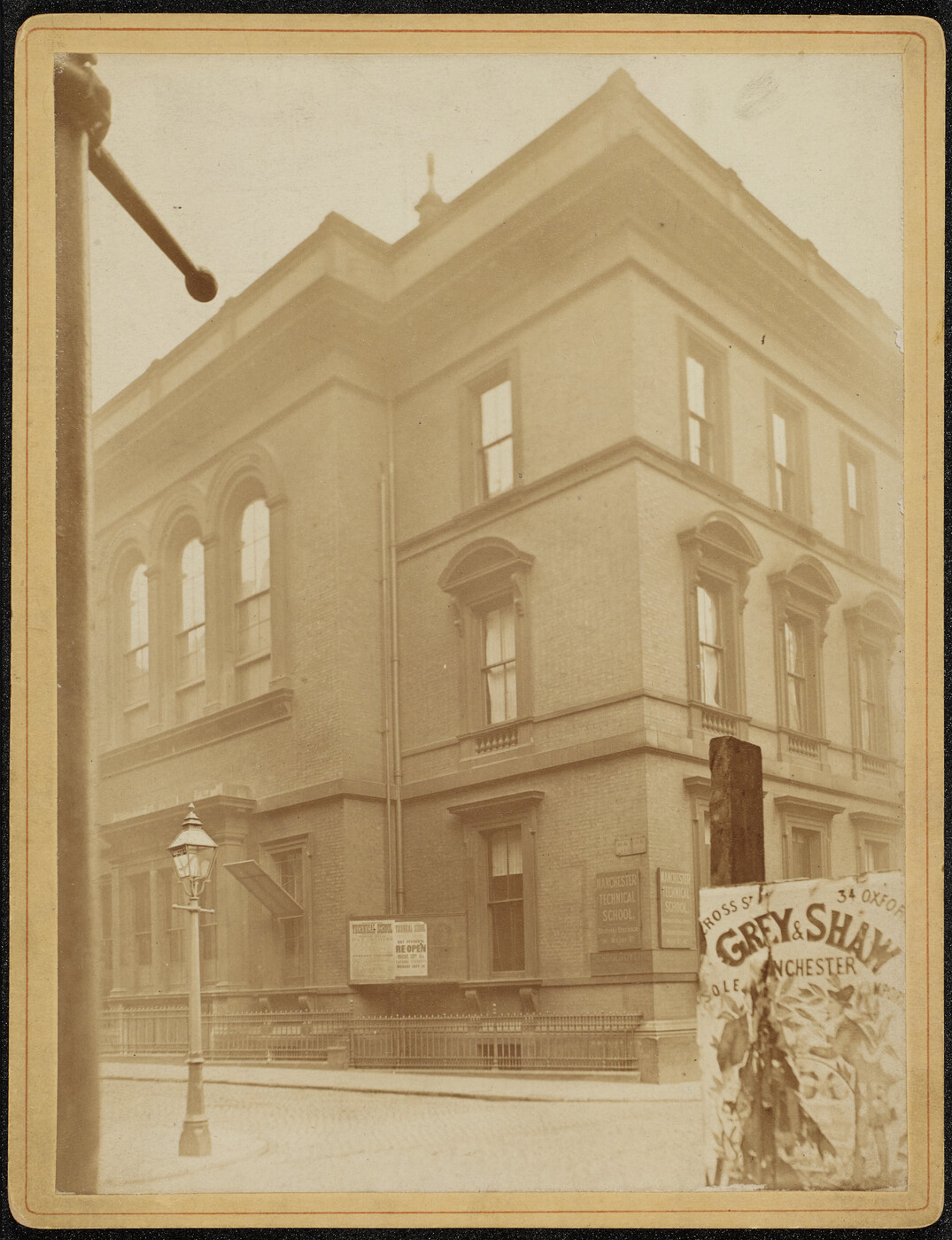
The second building to house the Manchester Mechanics’ Institution was built in 1855. As well as education, the Institution provided an organising space for social and political causes. In 1867 it hosted the first meeting of the Co-operative Insurance Company, and the following year the first meeting of the Trades Union Congress (TUC).