

Acknowledging our legacies
Interior of the Reading Room at the John Rylands Library, 1900, R15240
Fortunes derived from Manchester’s involvement with transatlantic slave economy were crucial to the foundation of the University. Their legacy is still visible within the institution today.
The John Rylands Library was founded by Enriqueta Rylands (1843-1908) in memory of her husband John. Their fortune was the product of John Rylands’ (1801- 1888) success as a manufacturer of textiles made from cotton cultivated by enslaved Africans. Other cultural assets of the University, including the Whitworth Art Gallery and Manchester Museum, originated in bequests from local men whose wealth was linked to slavery.
Stockport-born Joseph Whitworth (1803-1887) was a prominent inventor, engineer, and entrepreneur. He created the Whitworth rifle, a sniper rifle used by some pro-slavery Confederate forces during the American Civil War. He left much of his fortune to improve Mancunians’ lives by founding an art gallery and park for use by the public.
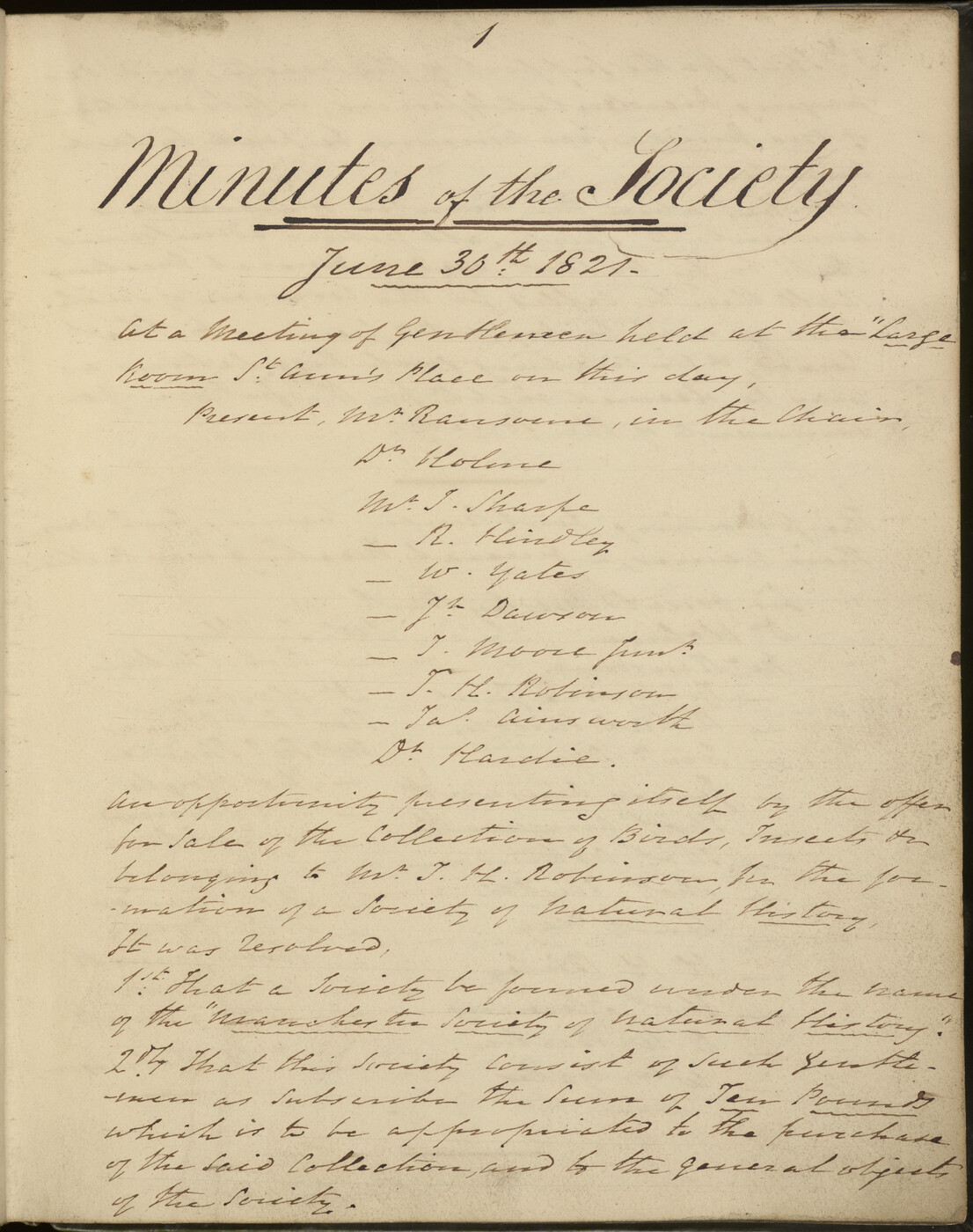
In 1821 the Manchester Society for the Promotion of Natural History was founded to publicly display the natural history collection of textile manufacturer John Leigh Philips’ (1761-1814). This new ‘museum’ was paid for and organised by Thomas Robinson, before being transferred to Owens College in 1867. In 1888, this became the basis of the current Manchester Museum.
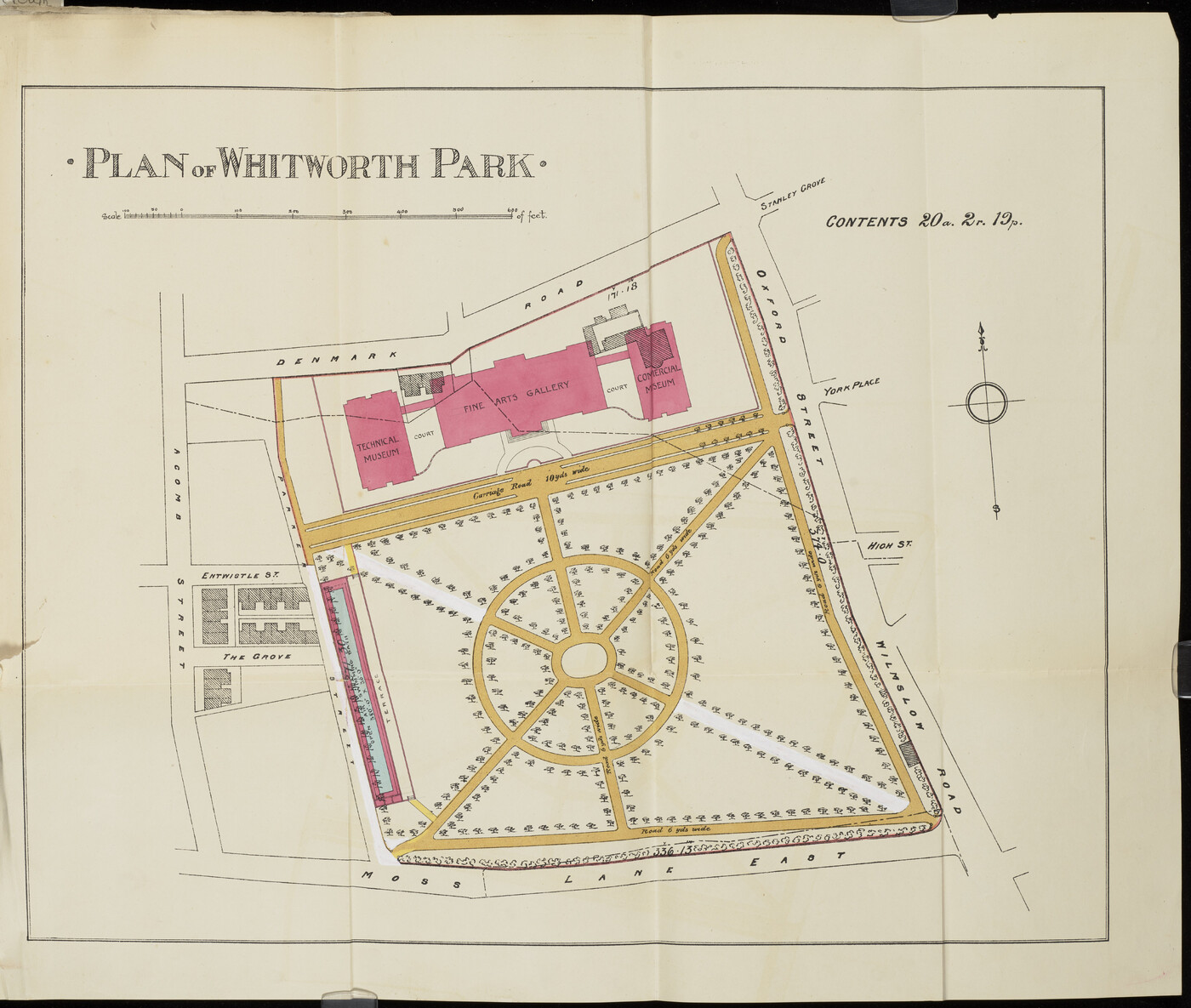
This map shows the plans that were adopted for building the Whitworth Art Gallery and the park to the south of it. Although the Gallery was expanded in 2015, otherwise both the building and the park remain today largely as depicted here.
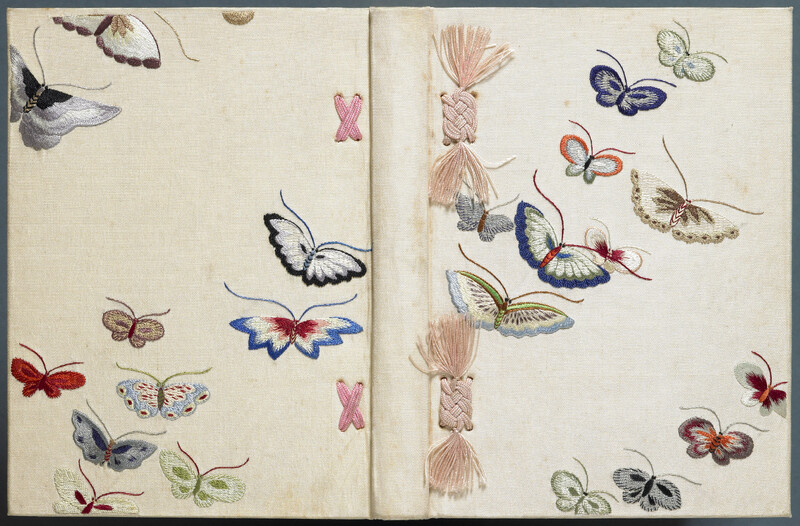
In 1894, Enriqueta Rylands bought a collection of 73 copies of the same book, each uniquely bound by master binders around the world. Rylands lent the collection to public exhibitions, including for the opening of the John Rylands Library in 1899. But for the rest of her life, she kept it in her private library at Longford Hall, Stretford.
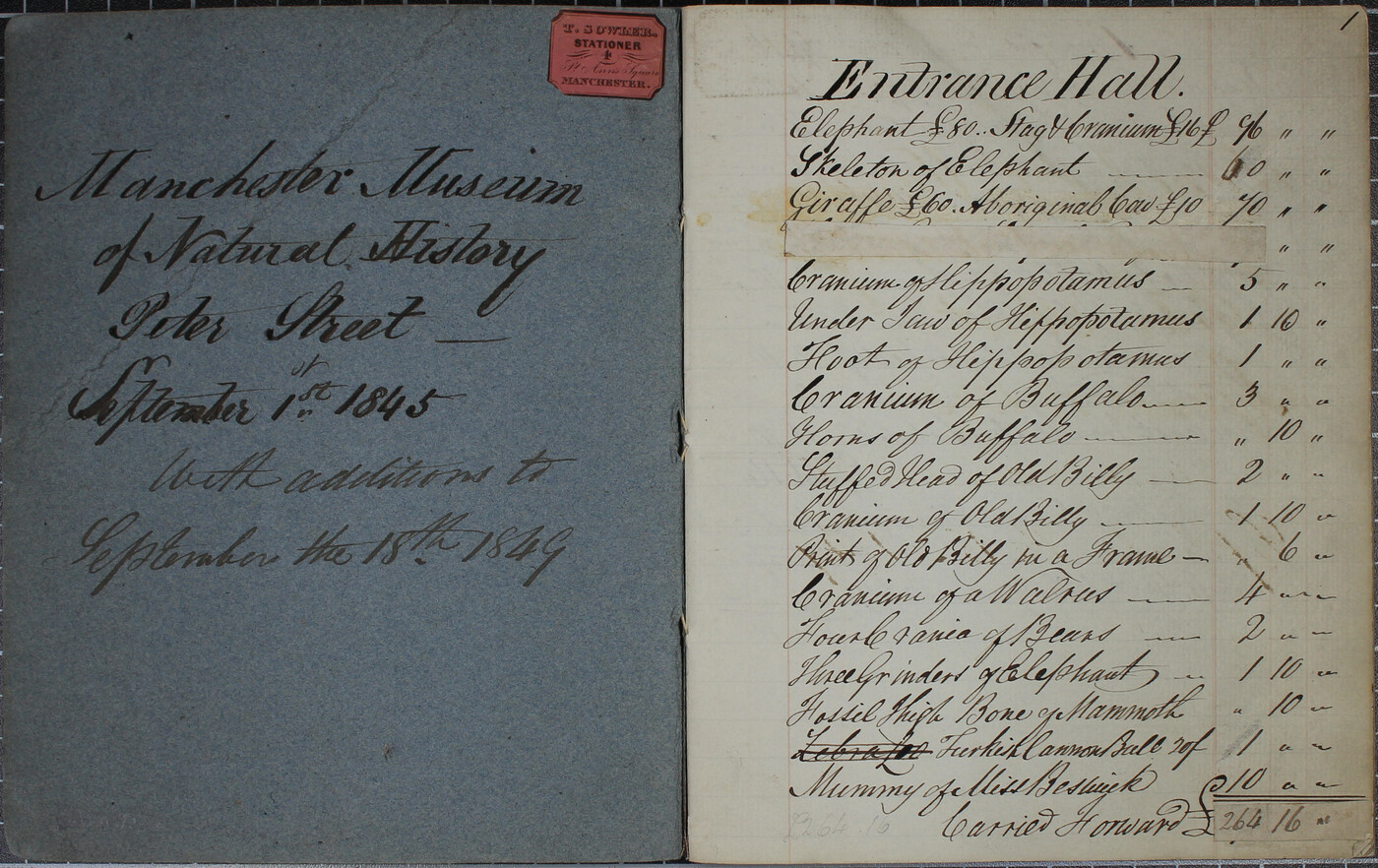
Funded by Thomas Robinson and others, a new building for the collection was opened in 1835 on Peter Street. This list of objects exhibited in the Entrance Hall includes the remains of such exotic animals as the elephant, giraffe, buffalo, hippopotamus, and walrus.
Image displayed courtesy of Manchester Museum, The University of Manchester
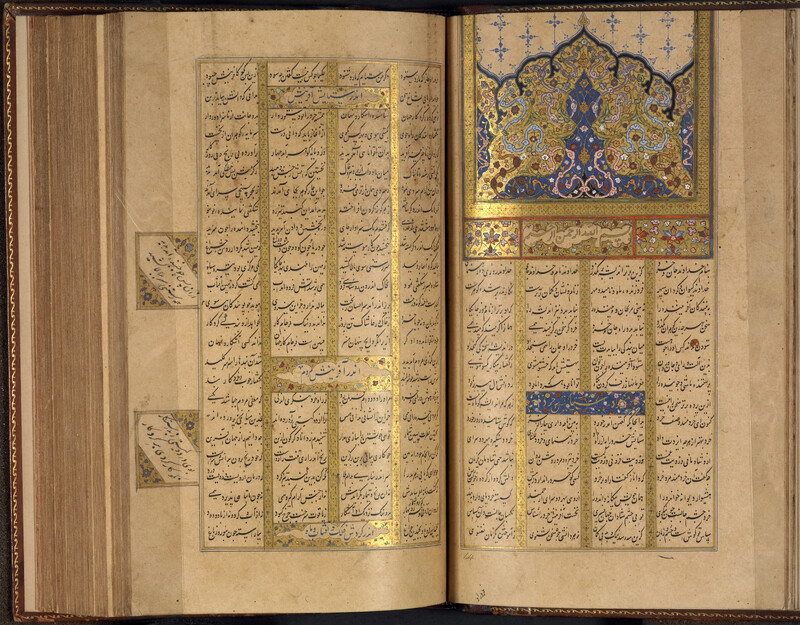
Samuel Robinson devoted his retirement to studying Persian literature and donated books, including this exquisitely illustrated volume, to Owens College. Robinson’s lifestyle was funded by money made from the manufacture of textiles that were exchanged for enslaved people on the West African coast.