Pukka Malen
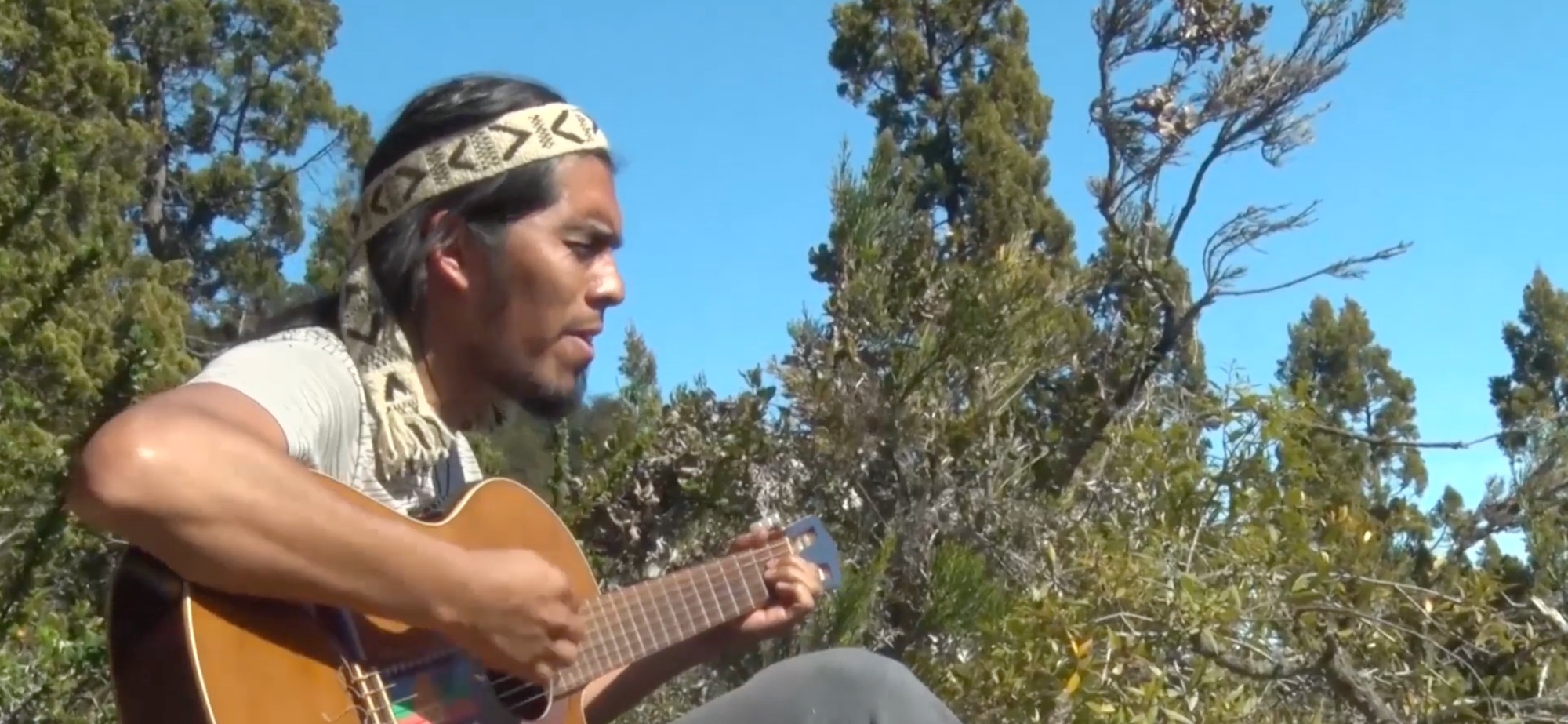
Pukka Malen is a multidisciplinary artist originally from Furilofche (Bariloche), Río Negro, in the heart of Argentine Patagonia. Her work draws on her Mapuche roots and her experience as an Indigenous youth, moving across music, poetry, performance, and community cultural practice.
Born in the winter of 2007, she grew up surrounded by artistic expression, territorial struggles, and ancestral memory. From an early age she joined various musical projects, exploring sounds that now converge in an intimate, political, and emotionally charged body of work.
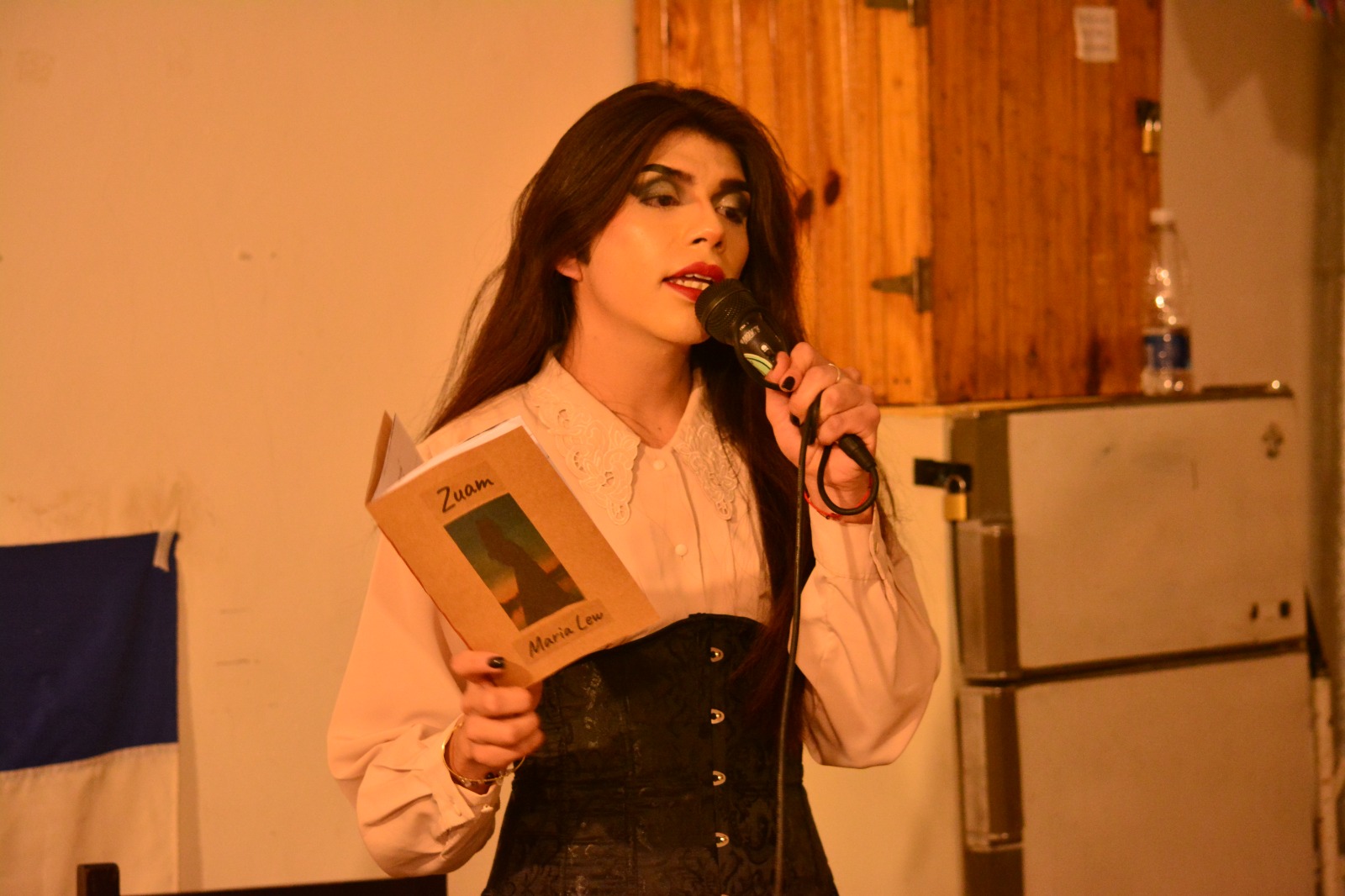
Her voice emerges from contemporary Indigenous experience, recovering inherited languages, silences, and sensations. Through songs and poems, Pukka reflects on Mapuche identity, territorial memory, and the tensions of inhabiting a young body in constant movement.
(Click on 'Learn more' under each video to access a transcription of the lyrics in Spanish and English)
Pukka also advocates from her urban Mapuche identity, putting into words, sounds, and images the current realities of indigenous youth who grow up and resist in the city. Her work seeks to make these experiences visible, break stereotypes and open spaces where indigenous culture is not just a memory of the past, but a living, dynamic and creative presence.
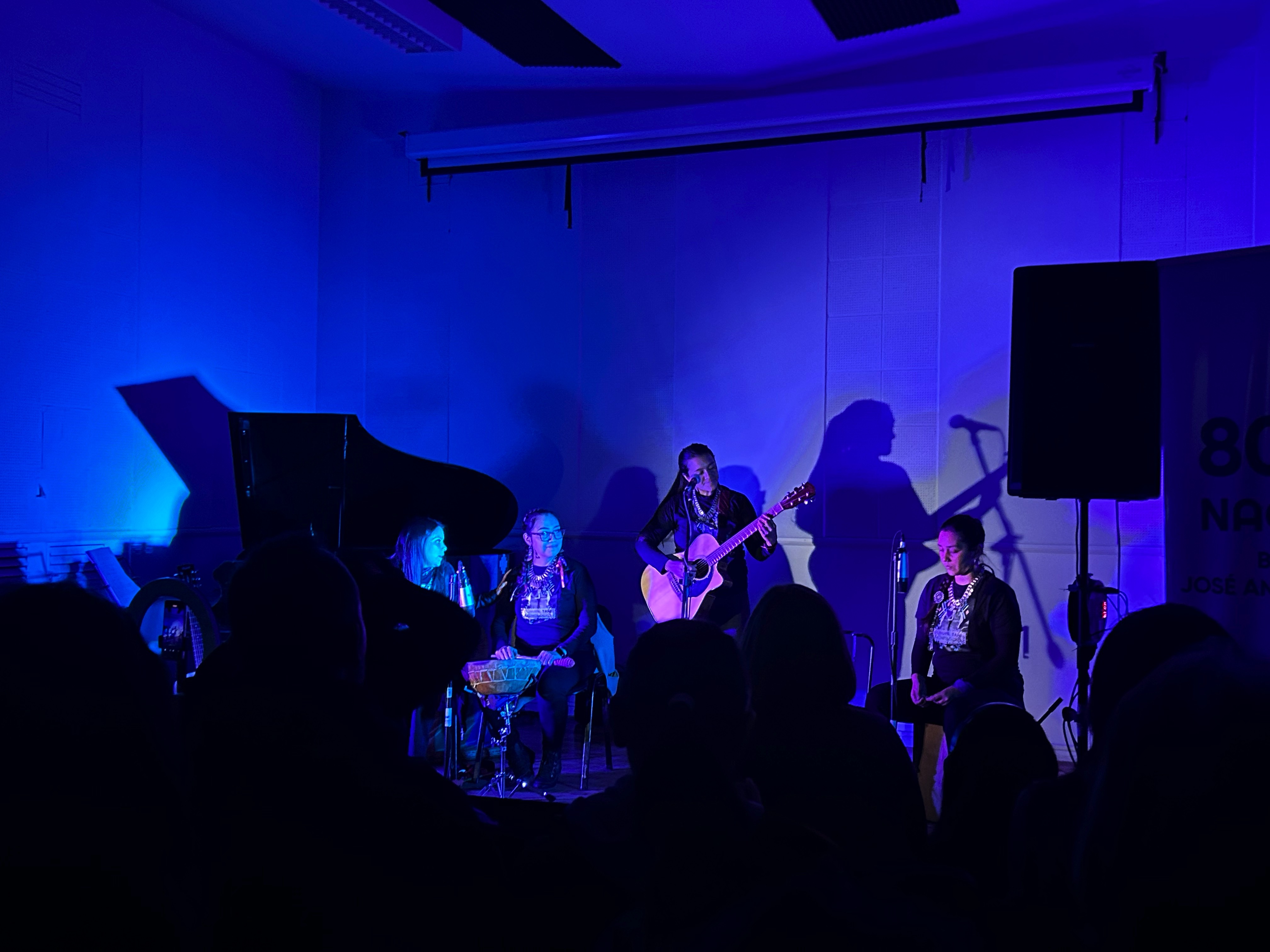
She is currently developing her solo project, combining singing, writing, and sound experimentation. At the same time, she is part of the band TSNM (pronounced Tsunami) as a vocalist and composer, a territory where she fuses hardcore energy, poetic sensitivity and a visceral stage presence.
In addition to music, Pukka works as a cultural manager, supporting self‑managed projects that uplift young artists and strengthen spaces for local, dissident, and independent production.
Her work grows between mountains, asphalt, and memory - rooted in the youth who sustain her and the ancestors who guide her. Each piece becomes a gesture of reclamation, tenderness, and resistance: a way of singing the territory, inhabiting it, and imagining possible futures.