María Lew

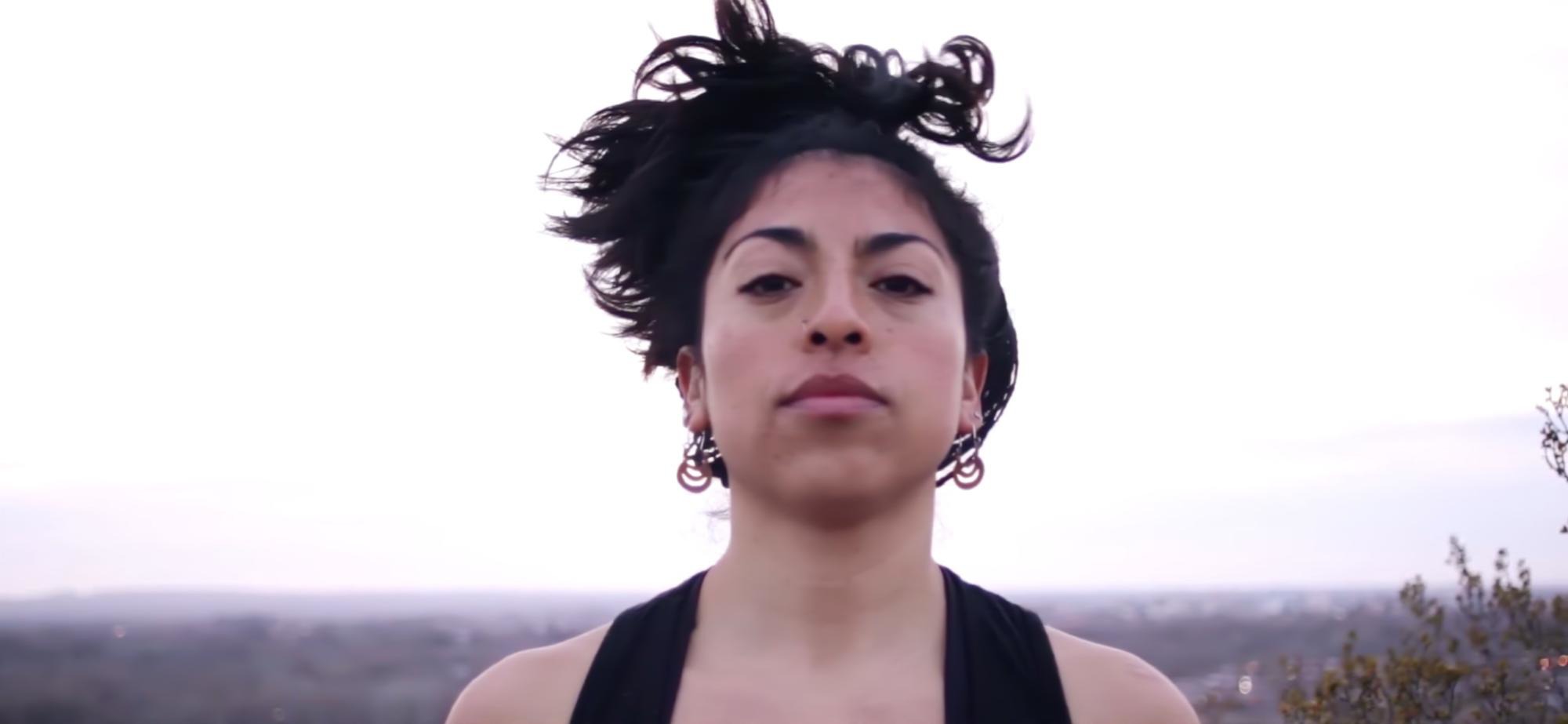
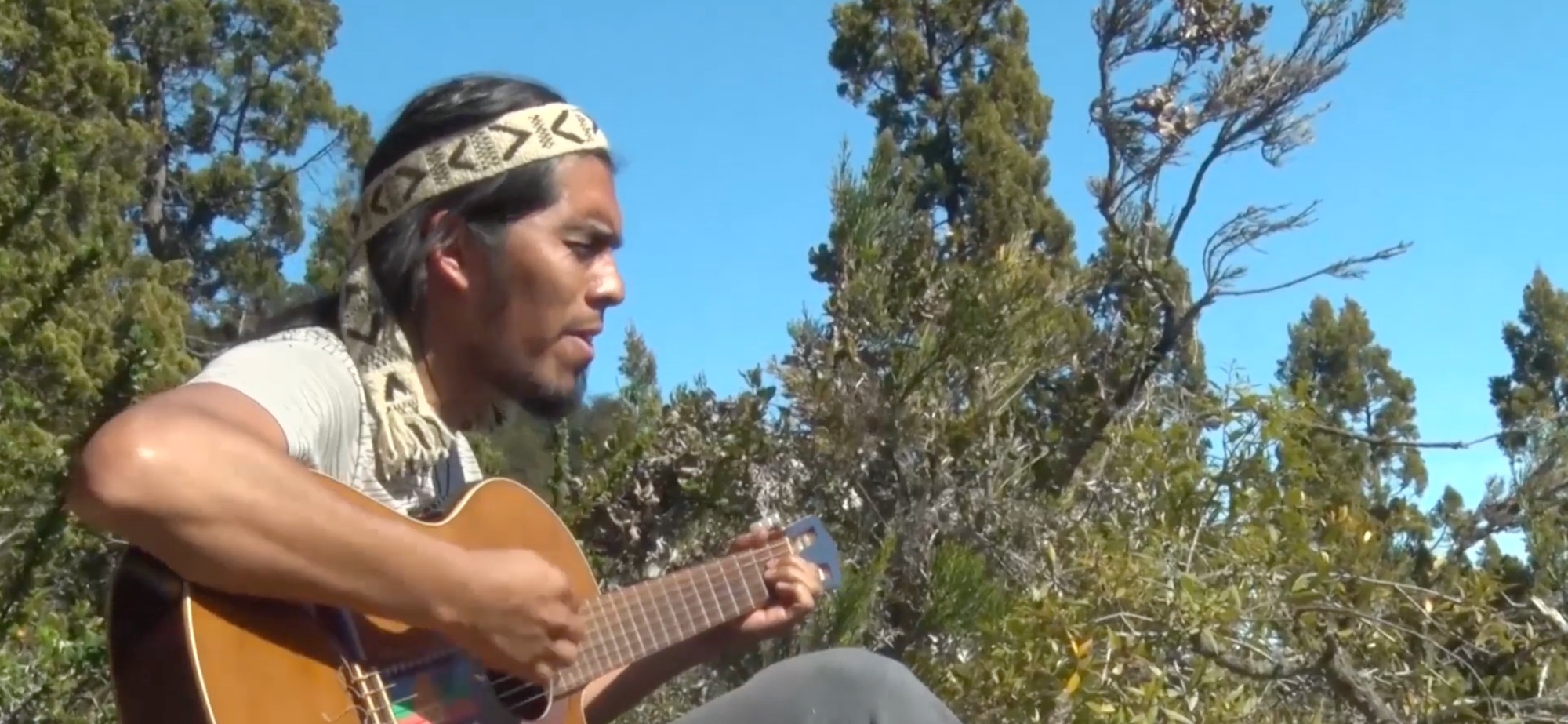
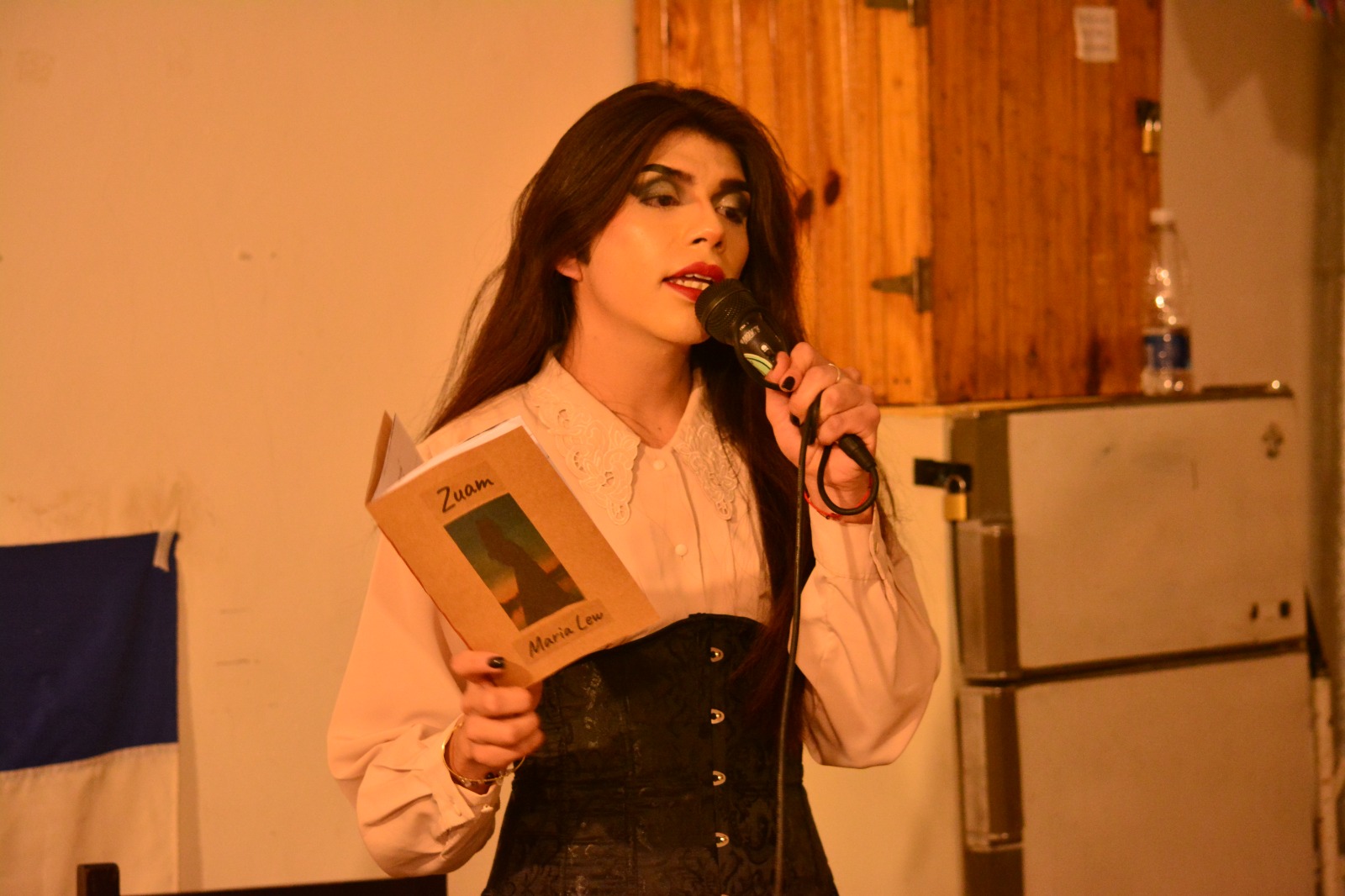
Iván Paillalaf is from the Mapuche-Tehuelche community Laguna Fría–Chacay Oeste. He began to be María Lew in 2023 to bring out this part of him that had been hidden for a long time, always with the support and guidance of his brother Luciano Abel Paillalaf and, more recently, musician Gastón Mesa.  

This has opened up the possibility for Paillalaf to work with wonderful people, as well as to intertwine in this art the struggles of the Mapuche-Tehuelche people and all the conscious people who inhabit these southern territories. Where water and rivers occupy central places. 

Thinking about this, the “lew” in his name was born, as a contraction of the Mapuche word lewfv (river).

Zuam

En mil novecientos dos

Photo credit: Matías Valenzuela

The audiovisual work "En mil novecientos dos" (In Nineteen Hundred and Two), was produced in collaboration with the artist MOFE (Alain Cual) in their territory on the Chubut plateau. It retells the story of a person from their Mapuche Tehuelche community who lived in General Roca (province of Río Negro) and who in 1902 was detained, pathologised and publicly exhibited by the Buenos Aires magazine Caras y Caretas for not fitting into the hegemonic gender norms that the Argentine State was imposing at that time, after carrying out the genocidal civil-military campaign misnamed the Conquest of the Desert.

The film formed part of “Tüfachi purun inchiñ ngealu (This dance is for us)”, an audiovisual exhibition of ancestral diversity curated by Ange Cayuman and displayed in the Exhibition Hall of the Universidad de La Frontera (Temuco, Chile) Central Library. This exhibition included nine audiovisual works by Mapuche filmmakers from Gulumapu and Puelmapu (Chile/Argentina) and a guest from Purépecha (Mexico).

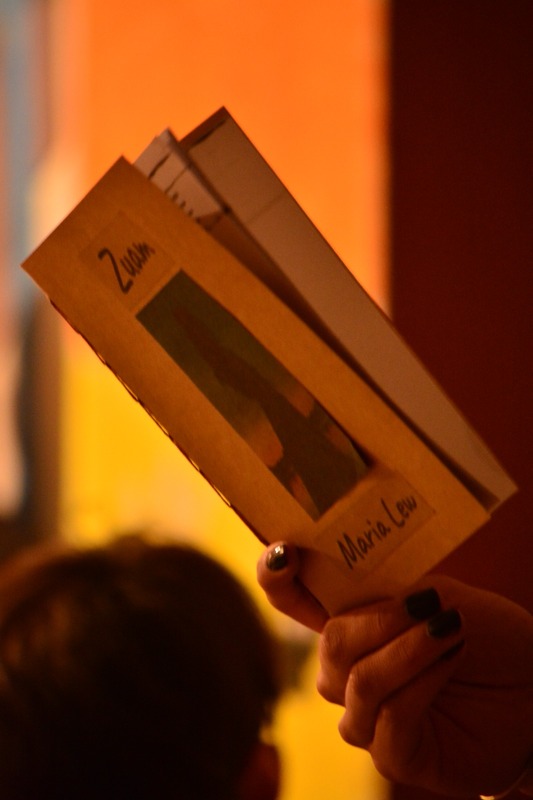
Over the past year, Paillalaf has been publishing poems. Some of them were included in a handmade poetry collection called Zuam in March of this year, edited by the writer Viviana Ayilef and produced by the venture Klen - Klen | Encuadernación Artesanal.

Both Paillalaf's poetry and his drag work come from the same place, and it took a lot of work to encourage himself to share them.

“Zuam” is a word from the Mapuche language that, depending on how you conjugate it and in what context, can mean longing, need, esteem or desire. The book and its content were born from all of that. 

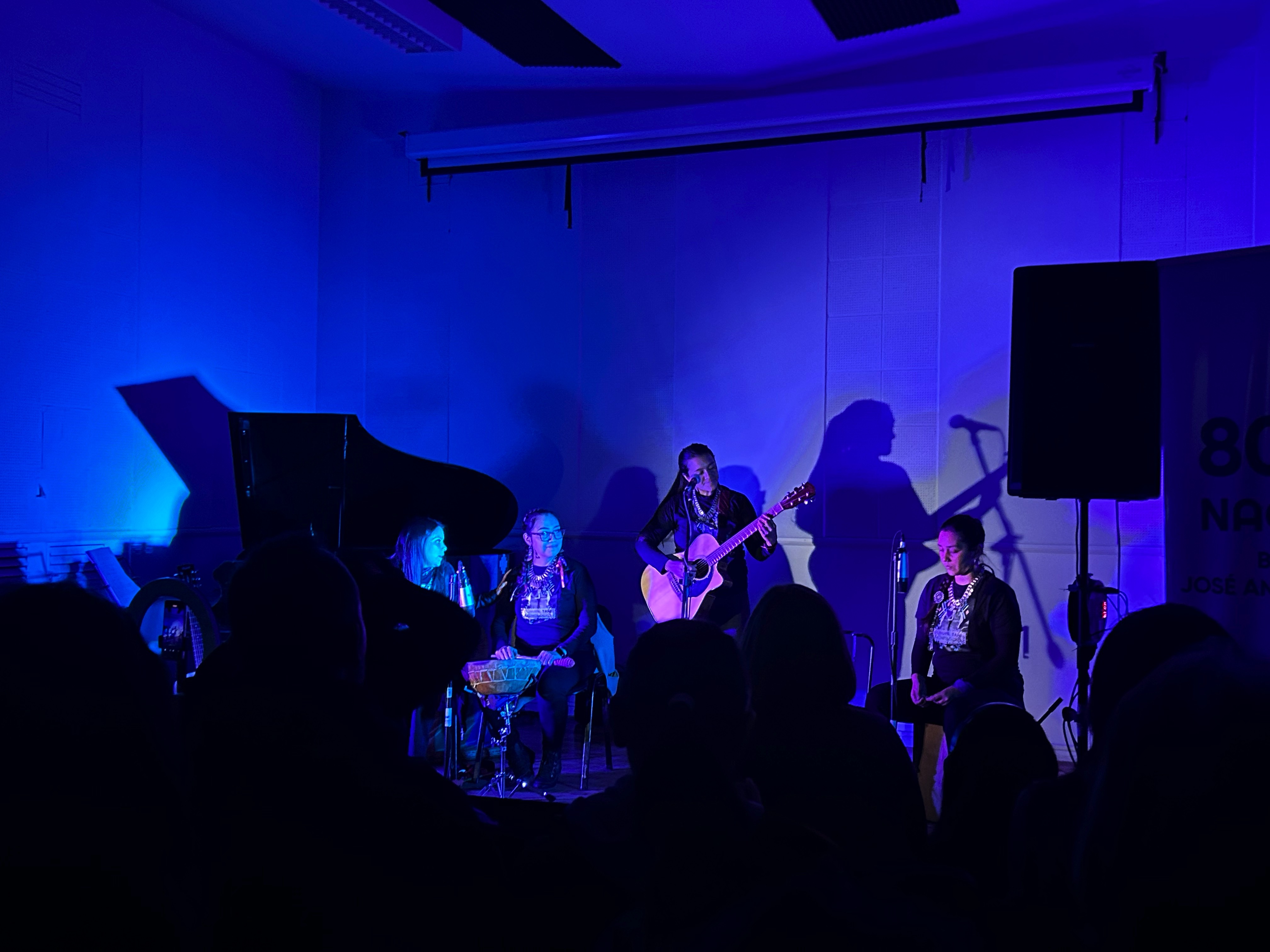
It has been presented and shared together with Viviana Ayilef and musicians Gerónimo Gil and Gastón Mesa at the Municipal Cultural Center of Trelew (Chubut, Argentina), and together with Gastón Mesa as part of “Trafkintü Kimün”, an event for the exchange of work and knowledge in the community of Boquete Nahuelpán.

En mi ciudad hay una calle


llamada Yaganes 
y ahí nomás, 
caminas dos cuadras  
y está la Perito Moreno.


Parece a propósito a veces 
cómo ordenan las cosas 
para incomodar el alma.

Yaganes: plural de yagan,
castellanizado  
Pueblo Originario de Tierra del Fuego.
Pueblo del joven Maish Kensis.

Perito Moreno: explorador,
coleccionista, científico 
y político argentino. 
Director del Museo de la Plata. 
Verdugo de Maish Kensis, de Tafá,
de la gente de Inakayal, de Foyel
de Damiana Kryygi.
de cientxs de kuifikecheyem
recluidos en el Museo
junto con Na:k.

Se siente como un alarde 
de impunidad histórica.

Todas las semanas las veo 
Cuando voy a laburar 
un puñadito de horas 
a la escuela.

Y tengo que pasarlas.

Y una fuerza me impulsa los pasos 
y la sangre en la cabeza 
para meterle ganas.

Y algo sale.

Me saluda "Mari Mari" un estudiante 
ya es Chachay. 

Le regalé un trarilonko 
de lana de oveja negra y guanaco.
Su bisabuelo hablaba,
me cuenta.

Y en cada aula salen 
memorias de un abuelo
una tía, una infancia.

Y el alma se pone contenta.
 
Y al volver miro la calle
y pienso "no pudiste
acá estamos, estudiando
y se van a enterar de tu prontuario."

Camino unos pasos 
no pienso nada.
Hay cosas que no se piensan
se sienten nomás, 
y es suficiente.
Porque ellos podían entender ese sentir:
"Mamihlapinatapai"
Ahí está la prueba.

Algún dia el sentir, 
será una ola inmensa 
y nadie podrá pararla.

Fey ta ñi zuam.


In my city there is a street


called Yaganes 
and right there, 
you walk two blocks 
and you find Perito Moreno street.


Sometimes it seems intentional 
how things are arranged 
to disturb the soul.

Yaganes: plural of Yagan,
Hispanicised
Native People of Tierra del Fuego.
People of the young Maish Kensis.

Perito Moreno: explorer,
collector, scientist, 
and politician. 
Director of the La Plata Museum. 
Executioner of Maish Kensis, of Tafá,
of the people of Inakayal, of Foyel,
of Damiana Kryygi,
of hundreds of kuifikecheyem
imprisoned in the museum
along with Na:k.

It feels like a display 
of historical impunity.

Every week I see them 
when I go to work 
for a few hours 
at the school.

And I have to cross them.

And a force drives my steps 
and the blood in my head 
to find the strength it

And something happens.

“Mari Mari” greets me, a student 
who is now Chachay. 

I gave him a trarilonko 
made of black sheep and guanaco wool.
His great-grandfather spokeMapuzudugn,
he tells me.

And in each classroom, 
memories of a grandfather,
an aunt, a childhood emerge.

And my soul rejoices.

And on my way back, I look at the street
and think, "You couldn't do it,
here we are, studying,
and they're going to find out about your criminal record."

I walk a few steps
and think nothing.
There are things you don't think about,
you just feel them,
and that's enough.
Because they could understand that feeling:
“Mamihlapinatapai.”
There's the proof.

Someday that feeling 
will be a huge wave 
and no one will be able to stop it.

Fey ta ñi zuam.
 

"Ilkülen, es cuando uno

está así", me intentó explicar
una vez mi abuela
y se ponía una mano en el pecho
y hacía una mueca 
como de enojo.

Hoy estoy así
Ilkülen.
Pero también
llafülen, newenkülen.
Porque no quiero 
que ese sentimiento
me debilite el ser 
y me dañe el pensamiento.

Porque a veces pasa
que por estar así
caemos en pensar 
que la gente paisana 
que está acopiando,
laburando sus campos
y destinando su poca plata 
a subsistir en la poca tierra
que les quieren quitar
(y no pueden usarla 
para ir a Rawson)
no están luchando.

O que quienes están 
en las ciudades 
también poniendo su plata
y tiempo en sobrevivir
no están luchando.

O que quien está sanando
o andando cada día
cuando nos pesan tanto los bolsillos
de malas nuevas
no está luchando.

Y estamos luchando
como podemos y desde donde
nos da el cuerpo y la energía.

Y saberlo es un trabajo
que requiere no juzgar tanto 
lo que hace el otro.

Así que a seguir mirando
qué podemos hacer
que lo que no podemos
siempre va a ser más
(nunca podremos 
sacarnos los ojos con plumitas 
y luego intentar ver
una película india 
por ejemplo).

Por eso nunca se detuvo
ni mi abuela, ni su abuela
ni la madre de su abuela.

Tal vez algún día seremos
también una abuela 
y les expliquemos
con una mano en el pecho
y una mueca a alguien
un sentimiento.

Para después decirle
que hay que ser como el Ñamku
que por más que el viento
sea fuerte y en contra
sigue planeando.
 

"Ilkülen is when you


feel like this", my grandmother
once tried to explain to me,
putting her hand on her chest
and making a face 
as if she were angry.


Today I feel like this,
Ilkülen.
But also
llafülen, newenkülen.
Because I don't want 
that feeling
to weaken my being 
and damage my thinking.

Because sometimes it happens
that because we are like this,
we fall into thinking
that the country folk
who are stockpiling,
working their fields,
and spending their little money
to survive on the little land
they want to take away from them
(and they can't use it
to go to Rawson)
are not fighting.

Or that those who are 
in the cities 
also putting their money
and time into surviving
are not fighting.

Or that those who are healing
or walking every day
when our pockets are so heavy
with bad news
are not fighting.

And we are fighting
as best we can and from wherever
our bodies and energy allow us.

And knowing this is a task
that requires not judging so much 
what others do.

So let's continue looking at
what we can do,
because what we can't do
will always be more
(we will never be able to 
pluck out our eyes with feathers 
and then try to watch
an Indian movie, 
for example).

That's why not my grandmother, 
nor her grandmother
nor her grandmother's mother
ever stopped

Maybe one day we'll be
a grandmother too 
and we'll explain 
with a hand on our chest
and a grimace 
a feeling.

And then tell them
that you have to be like the Ñamku
that no matter if the wind is 
strong and against you
it keeps gliding.