
Research team
Principal Investigator
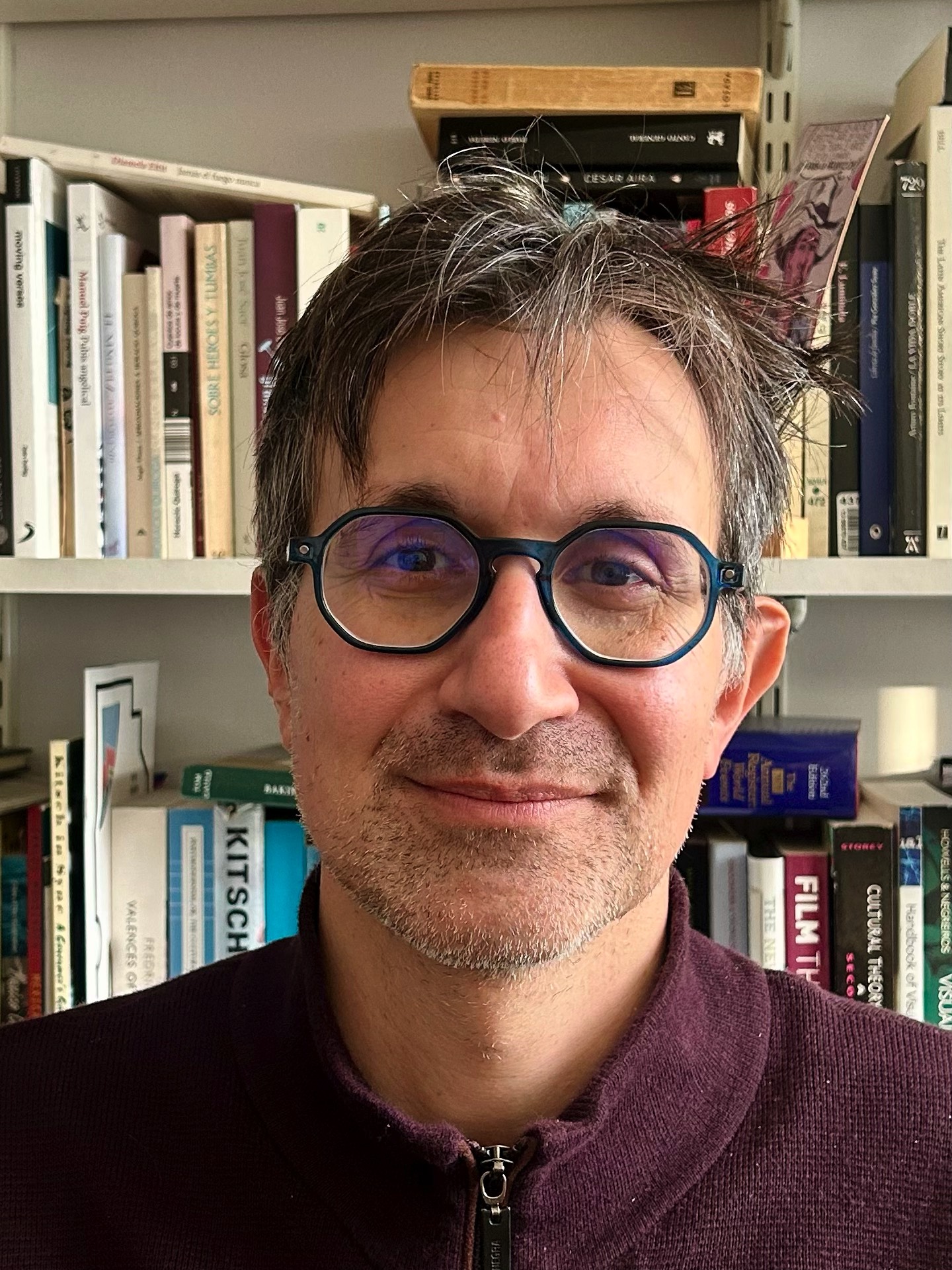
Ignacio Aguiló is Senior Lecturer (Associate Professor) in Latin American Cultural Studies and Co-Director of the Centre for Latin American and Caribbean Studies at the University of Manchester. He is also affiliated with the University’s Centre for Digital Humanities, Cultures and Media.
His research examines the intersections of racial capitalism and cultural production in contemporary Latin America, with a particular focus on the Southern Cone and the Andean region. He is the author of the monograph The Darkening Nation (2018) and co-editor of Chile desde los estudios culturales (2019), Cultures of Anti-Racism in Latin America and the Caribbean (2019) and Art and Anti-racism in Latin America (2026).
Between 2020 and 2023 he served as Co-Investigator on “Cultures of Anti-Racism in Latin America”, an AHRC-funded project investigating how artists in Argentina, Brazil, and Colombia address racial diversity and challenge racism through their work.
Postdoctoral Research Associate

Joe Quick is a sociocultural anthropologist. His research explores what it means to be indigenous on the world stage. Prior to joining the “Indigenous Youth Cultures and New Media in Latin America” project, his research focused primarily on the livelihoods and experiences of Kichwa entrepreneurs from Quilotoa, Ecuador. He has worked closely with Quilotoan artists to explore community-based tourism that caters to international tourists, indigenous experiences of the COVID-19 pandemic, and the exodus of young Quilotoans to the United States following the collapse of international tourism that was caused by the pandemic.
As a researcher for “Youth Cultures and New Media in Latin America”, Joe conducted in-person and online ethnographic research with Mapuche musicians and activists in Argentina and Chile, and with Kichwa media makers from the Otavalo region of Ecuador. He continues to conduct in-person and online ethnography among the wider circuits of digital media that connect indigenous social media creators across linguistic, cultural, historical, and regional differences, linking indigenous media makers from South and North America to their peers around the world.
Co-Investigators

María Moreno Parra is a social anthropologist specialising in the intersections of race, ethnicity, gender, and social mobilisation in Ecuador and the Andean region. She earned her PhD in Anthropology from the University of Kentucky, supported by a Fulbright Foreign Student Scholarship. As a postdoctoral researcher on the “Latin American Antiracism in a ‘Post-Racial’ Age” (LAPORA) project at the University of Cambridge, she conducted research with Indigenous and Afrodescendant organisations and activists in Ecuador. Her work explored their anti-racist strategies and initiatives, contributing to a broader understanding of racism and anti-racism in Latin America. Her publications include ‘Calling Racism by Its Name: Forms of Violence in the Articulation or Omission of Racism in Ecuador’, published in the journal Ethnic and Racial Studies in 2024, and the chapter titled ‘Giving Meaning to Racial Justice: Symbolic Uses of the Law in Antiracist Struggles’ in the edited volume Against Racism: Organizing for Social Change in Latin America (2022). Currently, she serves as a Lecturer in the Department of Global Cultures and Languages at the University of Wisconsin-La Crosse and is involved in the Master’s Program in Anthropology at the Universidad Politécnica Salesiana in Ecuador.
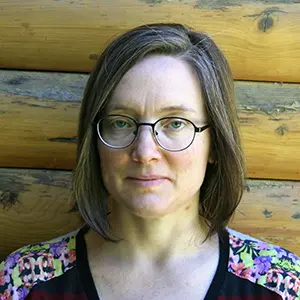
Laura Kropff Causa is Professor of Anthropology at the National University of Río Negro (UNRN) and a Researcher at the National Scientific and Technical Research Council (CONICET). She is based at the Institute of Research on Cultural Diversity and Processes of Change in Bariloche, Argentina, where she has directed the undergraduate teaching programme in Anthropology since 2020. She earned her PhD in Anthropology from the University of Buenos Aires (2008) and was a Fulbright Scholar at New York University (2006). Since 1997, she has conducted fieldwork in rural and urban areas of North Patagonia, focusing on land struggles, Mapuche youth activism, and the ongoing effects of Indigenous genocide. She has published in journals across Latin America and the United States, and edited Mapuche Theatre: Dreams, Memory and Politics (Artes Escénicas, 2010). She has also co-edited three books, including The Oxford Handbook of Global South Youth Studies (Oxford University Press, 2021).
Advisors
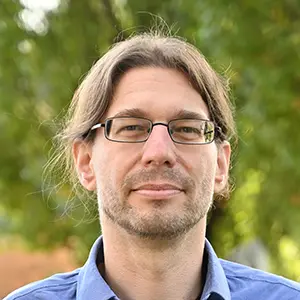
Jérémie Voirol holds a PhD from the University of Lausanne (2016) and has been a research fellow at the Department of Social Anthropology and the Granada Centre for Visual Anthropology at the University of Manchester since 2017. His PhD research looked at Indigenous people’s experiences of festivities in the Otavalo region of the Ecuadorian Andes and his postdoctoral project at the University of Manchester explores the multiple circulations of people, objects, ideas, and sounds that shape the contemporary musical expressions of Otavalo Indigenous musicians. From 2018 to 2023, Jérémie worked as a research fellow on the ERC-funded project “Returning to a Better Place: The (Re)assessment of the ‘Good Life’ in Times of Crisis”, headed by Dr Valerio Simoni at the Geneva Graduate Institute. He is currently working on an ERC-funded project on the “bearable life” with a focus on migrants in Ecuador, a project based at University of Lisbon's Social Sciences Institute and the University of Applied Sciences, School of Social Work, Fribourg (Switzerland)
Dr Voirol has conducted extensive fieldwork in rural and urban areas of Ecuador since 2003 and also completed shorter research trips working with Latin American migrants in Spain and Switzerland. He uses audio-visual methods as well (he edited two ethnographic films and created a blog with edited videos).
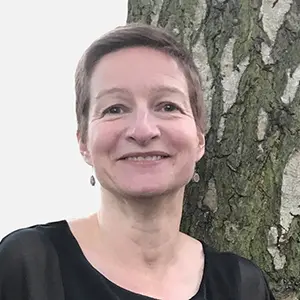
Thea Pitman is Professor of Latin American Studies at the University of Leeds, UK. Her research over the last 20 years has predominantly focused on Latin/x American digital cultural production, from electronic literature and net art to community websites and computer games. The overriding concern has been to explore questions of identity and representation and she has moved from an initial interest in how “Latinidad” is manifested online to questions of gender, sexuality, race and ethnicity. See, for example, the monograph Latin American Identity in Online Cultural Production (Routledge, 2013), and the 2020 ORIGEM project that used digital art to explore LGBTQIA+ Indigenous lives in the Brazilian Northeast.
Her most recent project “AIAI: Artificial Intelligence, Art and Indigeneity” explores Indigenous representation and self-expression through the use of Generative AI imaging tools. It involves a network of Indigenous and non-Indigenous academics, artists, writers, traditional knowledge holders and community leaders, spread across Argentina, Bolivia, Brazil, Chile, as well as Ireland and the United Kingdom, working together to explore the shortcomings of current AI image generator tools and experiment with creating their own prototype image generator. The same group has also recently explored what “the digital good” means from an Indigenous perspective through the ESRC-funded INDIGENIA project. Here they have focused on questions of digital inclusion for Indigenous peoples in the light of the debate on digital wellbeing aligned to Indigenous principles.
Professor Pitman is currently working with a team of five co-editors (including Dr Ignacio Aguiló) to produce a major reference work entitled the Palgrave Handbook of Digital Latin American Studies.
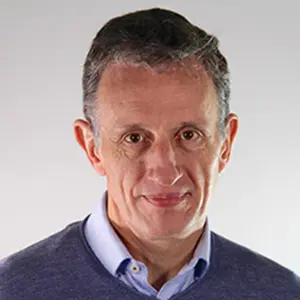
Peter Wade is Professor of Social Anthropology at the University of Manchester. His publications include Blackness and Race Mixture (1993), Race and Ethnicity in Latin America (2010), Race, Nature and Culture: An Anthropological Perspective (2002), and Race and Sex in Latin America (2009), Mestizo Genomics: Race Mixture, Nation, and Science in Latin America (2014), Race: An Introduction (2015), and Degrees of Mixture, Degrees of Freedom: Genomics, Multiculturalism and Race in Latin America (2017). In 2017–2019, with Mónica Moreno Figueroa, he co-directed a project on “Latin American Antiracism in a ‘Post-Racial’ Age” from which has emerged a book, edited with Mónica Moreno Figueroa, Against Racism: Organizing for Social Change in Latin America (Pittsburgh University Press, 2022). He recently directed a project on “Cultures of Anti-Racism in Latin America” (2020–2023) and was co-investigator on a project titled “Comics and Race in Latin America” (2021–2024).
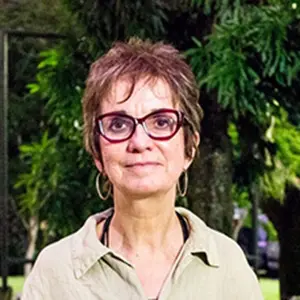
Lúcia Sá is Professor of Brazilian Studies at the University of Manchester. She has worked extensively on Indigenous literature and culture from Brazil. She is the author of Rain Forest Literatures: Amazonian Texts and Latin American Cultures (2004) and of various articles on the topic of native narratives. She recently directed the project “Racism and anti-racism in Brazil: The case of indigenous peoples” and was co-investigator in “Cultures of Anti-Racism in Latin America”. She joined the University of Manchester in 2006 after having worked at Stanford University (1999–2006). She holds a PhD from Indiana University (USA) and an MA in Brazilian Literature and a BA in English and Portuguese by Universidade de São Paulo.
Research Assistant
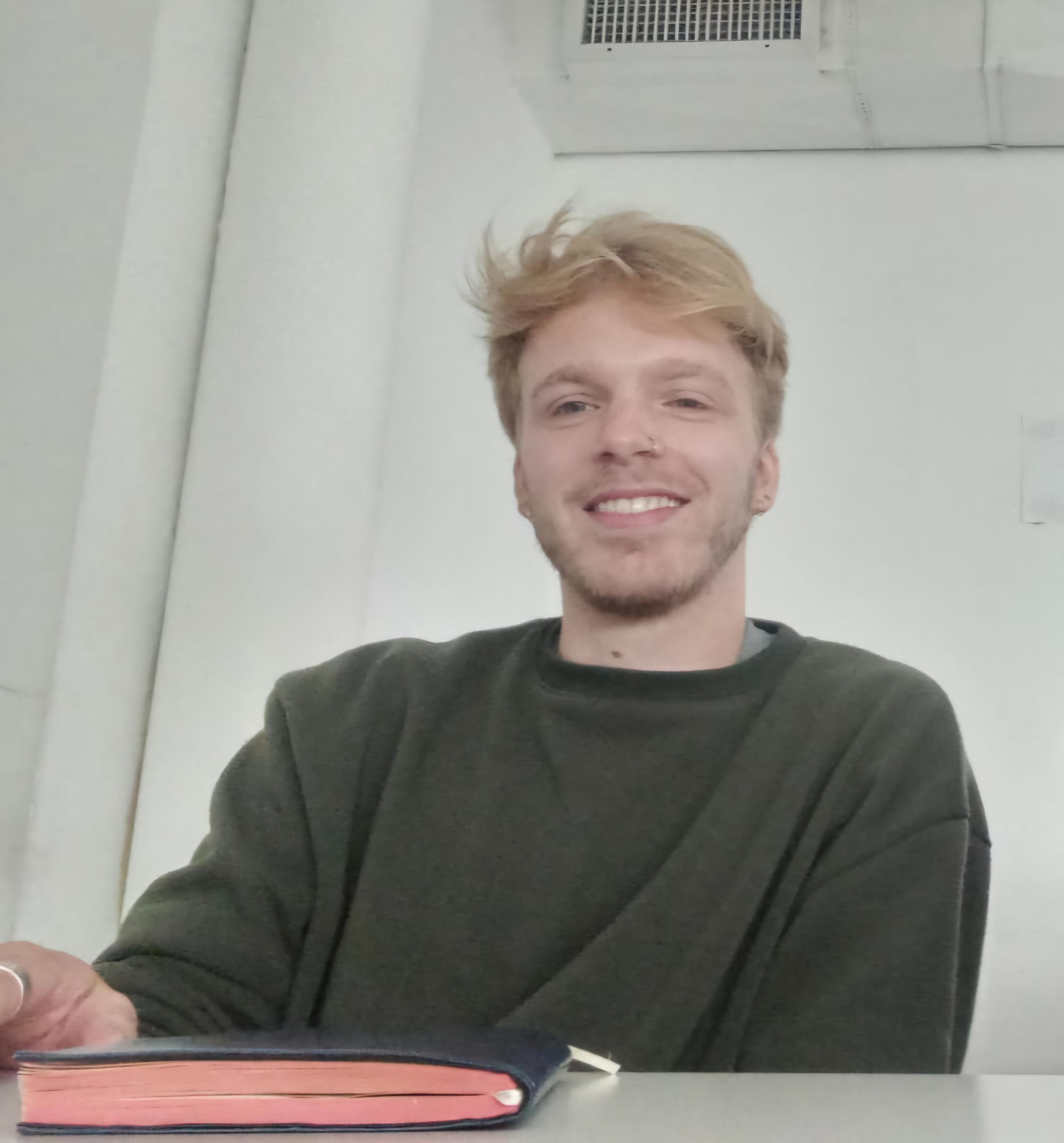
Dylan Diego Bradbury has a PhD in Latin American Cultural Studies from the University of Manchester, supported by the ESRC. His doctoral project focused on role of sound and listening in the cultural politics of Indigenous identity in Argentina, focusing on the the North Patagonian region of the country. His current research continues to explore the relations between auditory culture, sound technology and politics in Latin America. He completed his MA in Modern Language & Cultures at the University of Manchester and his BA in Politics & Philosophy at the University of Sheffield.