
Carabantú
The Afro-Colombian Corporation for Social and Cultural Development – CARABANTÚ – was established in 2003 with the aim of working for and with communities made up of the Afro-descendant migrants to the city of Medellín. Since its inception, the organisation has used cinema as an ethno-educational tool, developing projects in various regions and cities of the country, organising shows and festivals of Afro-descendant cinema that strengthen the ethnic identity of these people. From 2016, CARABANTÚ has organised the annual Kunta Kinte International Afro Community Film Festival.
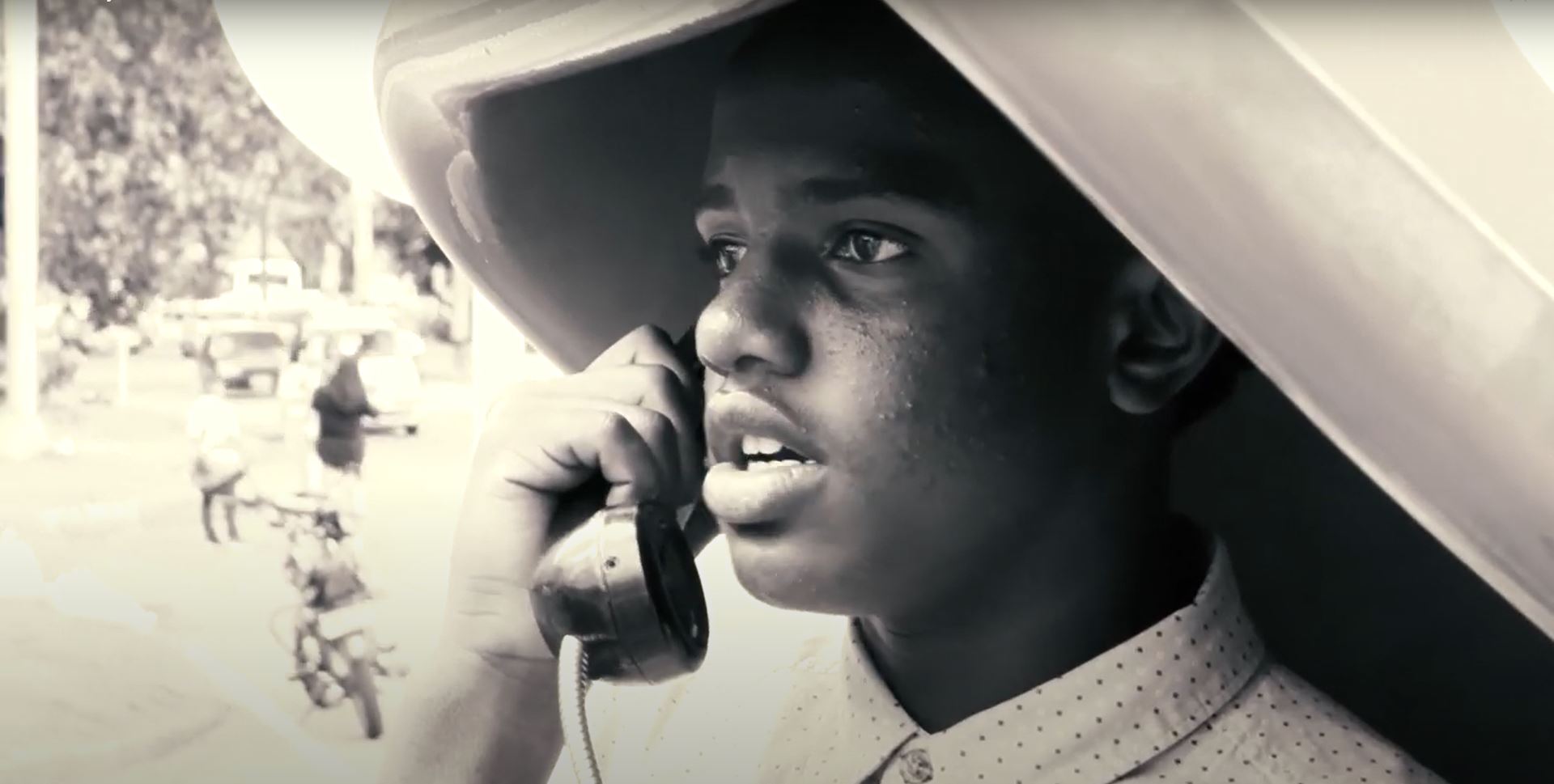
CARABANTÚ's collaboration with CARLA included support for a series of photographic and video workshops held with children and young people of African descent in Medellín. The short videos made by children from the workshops were included in the Kunta Kinte Festival in 2021 and are now part of this exhibition.
These seven short videos were made by children and young people in Medellín, the majority of whom are the children of people who migrated to the city from the Pacific coastal region of the country, which has a predominantly Black population. The videos all deal with the theme of community leadership, a theme suggested by the alarming frequency with which Afro-Colombian community leaders are killed.
The videos feature interviews with local leaders or dramatise scenes in which leadership plays a key role. Only one of the videos, Building the Leadership of Tomorrow, explicitly addresses racism, but all of them address racism implicitly by recording the situations of precariousness and social inequality that disproportionately affect Afro-Colombians in Medellín, the way people organize to challenge and change those situations, and the impact that leadership has on their lives.
In Siembra (Sowing), children dramatise a story about the residents of a neighbourhood who try to tackle environmental problems such as garbage and pollution, with help from local leaders.
In Oasis Tropical, some residents of the Oasis Tropical neighbourhood talk about how it was founded, while some of its older and younger leaders talk about the community activities they organise.
In Tres Caminos de Vida (Three Life Stories), young people enact a story about the struggle of three historical neighbourhood leaders (Don Orlando Arsuza, Julia Moreno, Ovidio Córdoba) to improve the supply of drinking water and gas in the area.
In Líderes y Lideresas en Resistencia (Leaders in Resistance), young and old people from the Limonar neighbourhood talk about what it means to be a leader and the struggles that this role involves.
In Los Líderes de Mi Barrio (The Leaders of My Neighbourhood), children interview various adult leaders from their neighbourhood and ask them what it means to be a community leader.
In Mi Primer Reportaje Moravia (My First Report from Moravia), young people from the Moravia neighbourhood interview local leaders about their activities, what it means to be a leader and what motivates them to take on this role.
In this short film (Building Tomorrow's Leaders), young people dramatize a story about learning to manage conflict, in this case around acts of racism, and thereby acquire a key skill required in leadership.